




What is the error rate of PH meters for sale?
 Jan 09, 2026|
 The accuracy of pH meters is a critical factor for anyone in the market for these essential tools. As a supplier of pH meters for sale, I understand the importance of providing accurate information about the error rates associated with these devices. In this blog post, I'll delve into what error rates mean in the context of pH meters, the factors that influence them, and how we ensure the reliability of the pH meters we offer.
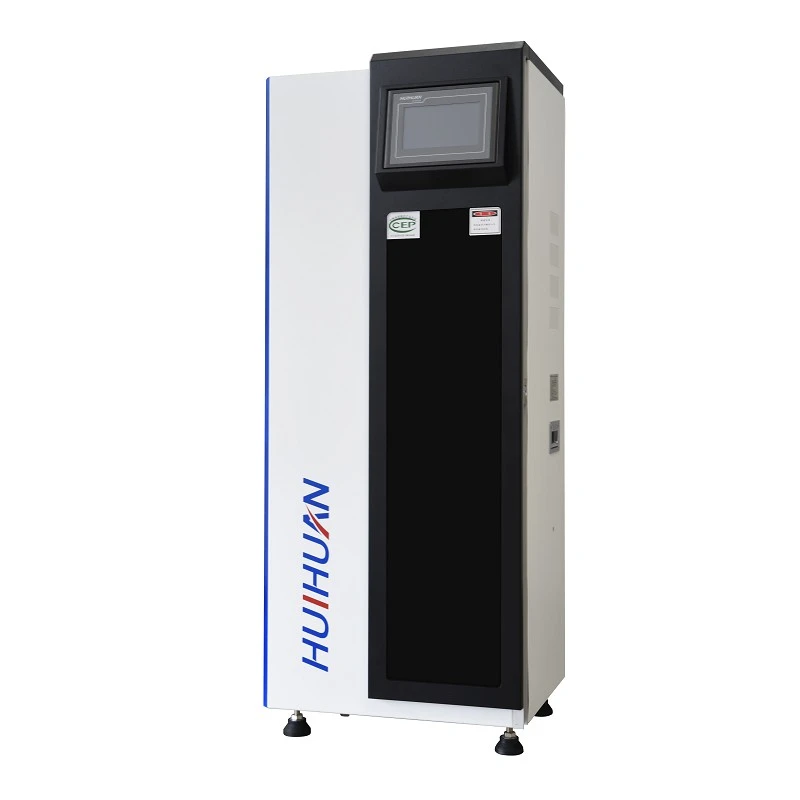

Understanding Error Rates in pH Meters
Error rate in a pH meter refers to the deviation between the measured pH value and the true pH value of a solution. It is typically expressed as a plus or minus value (e.g., ±0.01 pH units). This deviation can occur due to various reasons, and it's crucial for users to understand these factors to make informed decisions when purchasing a pH meter.
A lower error rate indicates a more accurate pH meter. For applications where precise pH measurements are required, such as in pharmaceutical research, food and beverage production, and environmental monitoring, a pH meter with a low error rate is essential. On the other hand, for less critical applications like general laboratory testing or home use, a pH meter with a slightly higher error rate may be sufficient.
Factors Influencing the Error Rate of pH Meters
1. Electrode Quality
The electrode is the heart of a pH meter, and its quality significantly affects the error rate. High - quality electrodes are made from materials that are stable and responsive to changes in hydrogen ion concentration. Over time, electrodes can degrade due to factors such as exposure to harsh chemicals, high temperatures, or mechanical damage. When an electrode deteriorates, it can lead to inaccurate pH readings and an increased error rate.
2. Calibration
Proper calibration is essential for maintaining the accuracy of a pH meter. Calibration involves adjusting the meter to match known pH values using standard buffer solutions. If the calibration is not performed correctly or frequently enough, the error rate of the pH meter can increase. Most manufacturers recommend calibrating the pH meter at least once a day, especially if it is used frequently.
3. Temperature
Temperature can have a significant impact on the error rate of a pH meter. The pH of a solution can change with temperature, and the electrode's response to pH can also be affected by temperature variations. Many modern pH meters are equipped with automatic temperature compensation (ATC) to minimize the effect of temperature on the measurement. However, if the ATC function is not working correctly or if the temperature range is outside the specified limits, the error rate can increase.
4. Sample Characteristics
The nature of the sample being measured can also influence the error rate. Samples with high ionic strength, complex chemical compositions, or high viscosity can interfere with the electrode's ability to accurately measure the pH. For example, samples containing proteins or surfactants can coat the electrode surface, leading to inaccurate readings.
Error Rates of Our pH Meters for Sale
At our company, we are committed to providing high - quality pH meters with low error rates. Our pH meters are equipped with electrodes made from premium materials that offer excellent stability and responsiveness. We conduct rigorous quality control tests on each electrode to ensure its performance meets our strict standards.
Our pH meters are also designed with advanced calibration features. They come with easy - to - follow calibration procedures, and some models even support automatic calibration. This helps users to achieve accurate calibration quickly and easily, reducing the potential for calibration - related errors.
In terms of temperature compensation, our pH meters are equipped with reliable ATC systems. These systems can accurately measure the temperature of the sample and adjust the pH reading accordingly, ensuring accurate measurements across a wide range of temperatures.
We understand that different applications have different requirements for accuracy. That's why we offer a range of pH meters with varying error rates to meet the diverse needs of our customers. For applications that require high precision, such as in research laboratories, we offer pH meters with an error rate as low as ±0.001 pH units. For more general applications, we have pH meters with an error rate of ±0.01 or ±0.02 pH units, which provide a good balance between accuracy and cost.
Comparing Our pH Meters with Other Products in the Market
When comparing our pH meters with other products in the market, we believe that our focus on quality and accuracy sets us apart. While there are many pH meters available at lower prices, these products often have higher error rates and may not be suitable for applications where precision is crucial.
Our pH meters are also backed by excellent customer support. We provide comprehensive training and technical assistance to our customers to ensure that they can use our pH meters correctly and get the most accurate results. In addition, we offer a warranty on our products, giving our customers peace of mind when making a purchase.
Related Products for Water Quality Monitoring
In addition to pH meters, we also offer a range of other water quality monitoring products. For example, our Ammonium Nitrogen Analyzer is designed to accurately measure the ammonium nitrogen content in water. This is important for applications such as wastewater treatment, environmental monitoring, and aquaculture.
Our Monitoring Analyzer for Surface Water is a comprehensive solution for monitoring the quality of surface water. It can measure multiple parameters simultaneously, including pH, dissolved oxygen, conductivity, and turbidity.
Another product in our portfolio is the Carbon Oxygen Demand CR Analyzer. This analyzer is used to measure the carbon oxygen demand in water, which is an important indicator of water pollution.
Contact Us for Purchase and Consultation
If you are in the market for a pH meter or any of our other water quality monitoring products, we invite you to contact us. Our team of experts is ready to assist you in selecting the right product for your specific needs. We can provide detailed information about the error rates, features, and prices of our products. Whether you are a research institution, a water treatment plant, or a small business, we have the solutions to meet your requirements. Don't hesitate to reach out to us to start a discussion about your water quality monitoring needs.
References
- American Society for Testing and Materials (ASTM). Standard test methods for pH of water.
- International Organization for Standardization (ISO). ISO 10523:2012 - Water quality - Determination of pH.
- Manufacturer's manuals for our pH meters and related water quality monitoring products.