




How does water quality monitoring contribute to sustainable development?
 Aug 13, 2026|
 Water is an indispensable resource for all forms of life on Earth, serving as the foundation for ecosystems, human health, and economic activities. As the global population grows and industrialization intensifies, the quality of water resources is under increasing threat. Water quality monitoring plays a pivotal role in ensuring the sustainable development of our planet. As a water quality monitoring supplier, I have witnessed firsthand the profound impact of accurate and reliable water quality monitoring on various aspects of sustainable growth.
1. Protecting Ecosystem Health
Ecosystems are highly sensitive to changes in water quality. Polluted water can have devastating effects on aquatic plants and animals, disrupting the delicate balance of ecosystems. For instance, excessive nutrients such as nitrogen and phosphorus in water bodies can lead to eutrophication, causing algal blooms that deplete oxygen levels and harm fish and other aquatic organisms. Heavy metals like copper, lead, and mercury can accumulate in the tissues of organisms, posing a threat to their survival and potentially entering the food chain.
Water quality monitoring allows us to detect and quantify these pollutants in a timely manner. By regularly monitoring parameters such as dissolved oxygen, pH, nutrient levels, and heavy metal concentrations, we can identify areas of concern and take appropriate measures to protect ecosystems. For example, our Online Phosphate Analyzer can accurately measure the phosphate content in water, providing crucial data for managing eutrophication. This helps in maintaining the biodiversity of aquatic ecosystems and ensuring their long - term viability.
2. Ensuring Human Health
Access to clean and safe water is a fundamental human right. Contaminated water can transmit a wide range of waterborne diseases, including cholera, typhoid, and dysentery, which pose a significant threat to human health, especially in developing countries. Water quality monitoring is essential for safeguarding public health by ensuring that drinking water meets the required safety standards.
Our monitoring equipment can detect various contaminants in drinking water sources, such as bacteria, viruses, chemicals, and heavy metals. For example, the Online Residual Chlorine Meter is used to measure the amount of residual chlorine in water, which is an important indicator of disinfection effectiveness. Adequate residual chlorine levels help to prevent the growth of harmful microorganisms in the water distribution system. By continuously monitoring water quality, water treatment plants can adjust their treatment processes to ensure that the water supplied to consumers is safe to drink.
3. Supporting Industrial and Agricultural Sustainability
Industry and agriculture are major consumers of water resources. In the industrial sector, water is used for cooling, processing, and cleaning purposes. Poor water quality can cause corrosion, scaling, and fouling in industrial equipment, leading to increased maintenance costs, reduced efficiency, and even equipment failure. Water quality monitoring helps industries to optimize their water use and treatment processes. For example, the Online Water Hardness Analyzer can measure the hardness of water, which is important for preventing scale formation in boilers and other industrial equipment. By knowing the water hardness, industries can implement appropriate water softening measures, reducing energy consumption and extending the lifespan of their equipment.
In agriculture, water quality is crucial for crop growth and livestock health. Irrigation water with high levels of salts, heavy metals, or pathogens can damage crops and reduce yields. Our monitoring solutions, such as the Online Sulfide Analyzer, can help farmers to assess the quality of their irrigation water and take corrective actions if necessary. By using good - quality water for irrigation, farmers can improve crop productivity and reduce the environmental impact of agriculture.
4. Facilitating Water Resource Management
Effective water resource management is essential for sustainable development. Water quality monitoring provides valuable data for understanding the current state of water resources, identifying trends, and making informed decisions. By monitoring water quality in rivers, lakes, and groundwater sources, water managers can assess the impact of human activities on water resources and develop appropriate strategies for their protection and sustainable use.
For example, if water quality monitoring reveals an increasing trend of heavy metal pollution in a river, water managers can take steps to identify the sources of pollution, such as industrial discharges or mining activities, and enforce stricter environmental regulations. Our Online Copper Analyzer can provide accurate data on copper concentrations in water, which is useful for detecting and managing heavy metal pollution. Additionally, water quality data can be used in water allocation decisions, ensuring that water resources are distributed fairly among different users while maintaining environmental flows.
5. Promoting Environmental Awareness and Policy - Making
Water quality monitoring data can also play a crucial role in promoting environmental awareness and influencing policy - making. By making water quality data publicly available, we can raise awareness among the general public about the importance of water conservation and protection. This can lead to increased public support for environmental initiatives and policies aimed at improving water quality.
Moreover, accurate and reliable water quality data provides a scientific basis for policymakers to develop effective water management policies. For example, data on nutrient pollution can be used to set limits on agricultural runoff and industrial discharges. By working closely with policymakers and regulatory agencies, we can ensure that our monitoring solutions contribute to the development and implementation of evidence - based environmental policies.
Conclusion
In conclusion, water quality monitoring is an essential component of sustainable development. It protects ecosystem health, ensures human health, supports industrial and agricultural sustainability, facilitates water resource management, and promotes environmental awareness and policy - making. As a water quality monitoring supplier, we are committed to providing high - quality, reliable monitoring equipment and services to help our customers address the challenges associated with water quality.
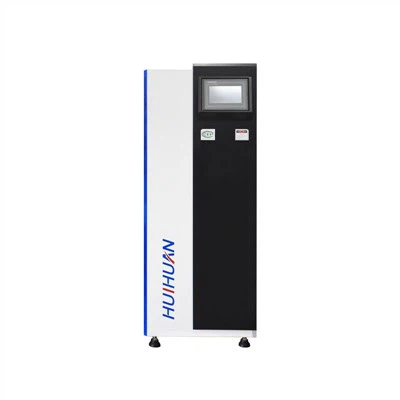
If you are looking for water quality monitoring solutions for your project, whether it is for environmental protection, industrial water management, or agricultural irrigation, we are here to help. Our team of experts can provide you with customized solutions based on your specific needs. Contact us today to start a discussion about how we can contribute to your sustainable development goals through effective water quality monitoring.
References
- Grigg, N. S. (2008). Water and Sustainable Development. Frontiers in Ecology and the Environment, 6(2), 81 - 88.
- UN Water. (2018). Water Quality: The Untapped Solution. United Nations.
- Pimentel, D., et al. (2004). Water Resources: Agricultural and Environmental Issues. BioScience, 54(10), 909 - 918.