




Are there any safety precautions when using a Multi Parameter Water Quality Analyzer?
 Aug 17, 2026|
 As a supplier of Multi Parameter Water Quality Analyzers, I am often asked about the safety precautions when using these devices. Water quality analyzers are essential tools for monitoring and assessing the quality of water in various applications, including environmental monitoring, industrial processes, and drinking water treatment. However, like any other scientific instrument, they require proper handling and safety measures to ensure accurate results and the well - being of the users.
1. General Safety Precautions
A. Read the Manual Thoroughly
Before using the Multi Parameter Water Quality Analyzer, it is crucial to read the user manual carefully. The manual provides detailed information about the device's operation, technical specifications, and safety instructions. It will guide you through the correct procedures for installation, calibration, measurement, and maintenance. Ignoring the manual can lead to incorrect usage, which may not only affect the accuracy of the measurement but also pose a safety risk.
B. Wear Appropriate Personal Protective Equipment (PPE)
Depending on the type of water sample being tested, appropriate PPE should be worn. When dealing with potentially hazardous water samples, such as those from industrial waste or sewage, wear gloves to protect your hands from chemicals, biological agents, and sharp objects. Safety goggles are also recommended to prevent splashes from getting into your eyes. In some cases, a lab coat or apron can protect your clothing from spills.
C. Use in a Suitable Environment
The analyzer should be used in a clean, dry, and well - ventilated environment. Avoid using it in areas with high humidity, extreme temperatures, or strong electromagnetic interference. High humidity can cause corrosion of the analyzer's components, while extreme temperatures can affect the performance of the sensors. Strong electromagnetic fields can interfere with the electrical signals of the device and cause inaccurate readings.
2. Handling Chemicals
A. Chemical Reagents
Many Multi Parameter Water Quality Analyzers use chemical reagents for specific measurements. These reagents can be hazardous, so proper handling is essential. Store the chemicals in a cool, dry place away from direct sunlight and heat sources. Follow the manufacturer's instructions for storing and disposing of the chemicals. When preparing the reagents, use the correct measuring tools and follow the specified procedures to ensure accurate dilution and mixing.
B. Sample Preparation
When preparing water samples, be cautious not to create aerosols or splashes. Some water samples may contain harmful substances, such as heavy metals or pathogens. If you need to add chemicals to the sample for analysis, wear appropriate PPE and perform the operation in a fume hood if necessary to prevent inhalation of toxic vapors.
3. Equipment - Specific Safety Precautions
A. Sensor Safety
The sensors in the Multi Parameter Water Quality Analyzer are delicate and expensive components. Avoid touching the sensor surface with your fingers or other hard objects, as this can damage the sensor and affect its performance. When cleaning the sensors, use only the recommended cleaning solutions and follow the cleaning procedures provided by the manufacturer. Regular calibration of the sensors is also necessary to ensure accurate readings.
B. Electrical Safety
The analyzer is an electrical device, so electrical safety is of utmost importance. Use only the power supply recommended by the manufacturer. Check the power cord regularly for any signs of damage, such as fraying or exposed wires. Do not use the device if the power cord is damaged. Also, make sure the device is properly grounded to prevent electrical shock.
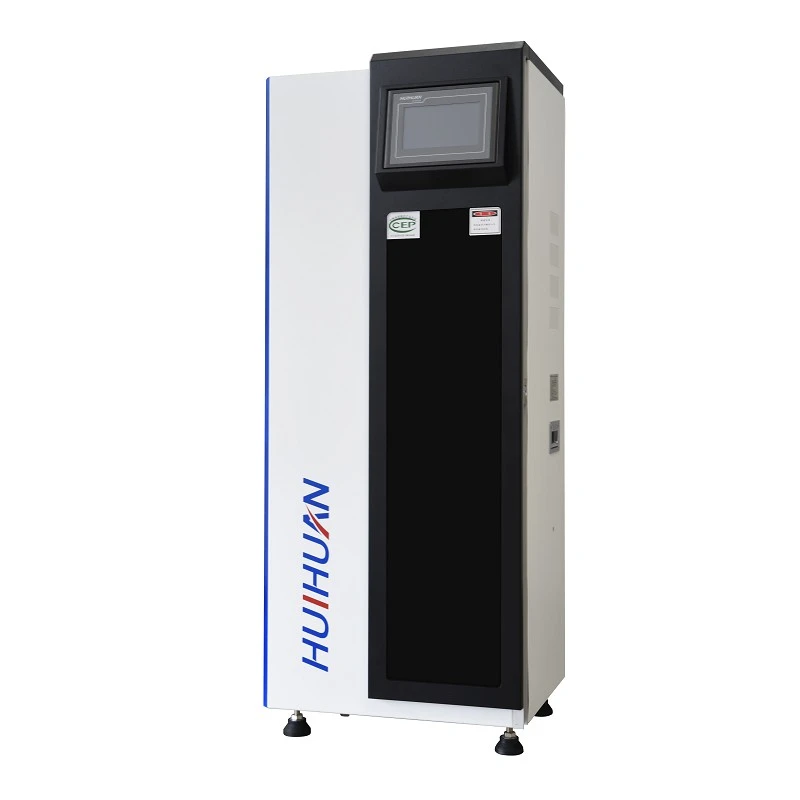
4. Safety Precautions for Specific Types of Analyzers
A. Handheld Electrode Water Quality Meter
The Handheld Electrode Water Quality Meter is a portable device commonly used for on - site water quality testing. When using this meter, ensure that the electrodes are properly inserted and connected. After use, rinse the electrodes thoroughly with distilled water to prevent the buildup of contaminants. Also, store the electrodes in the appropriate storage solution according to the manufacturer's instructions.
B. Online Analyzers
- Online Cyanide Analyzer
The Online Cyanide Analyzer is used to measure the cyanide content in water. Cyanide is a highly toxic substance, so extra precautions are needed. The analyzer should be installed in a well - ventilated area with proper exhaust systems. Regularly check the connections and pipes for any leaks. If a leak occurs, follow the emergency response procedures immediately. - Online Ammonia Nitrogen Analyzer
The Online Ammonia Nitrogen Analyzer measures the ammonia nitrogen content in water. Ammonia can be harmful to human health, especially in high concentrations. Ensure that the analyzer is properly maintained to prevent ammonia leakage. If you notice any abnormal odors or signs of leakage, stop the operation and take appropriate measures. - Online Cadmium Analyzer
The Online Cadmium Analyzer is used for detecting cadmium in water. Cadmium is a heavy metal that is toxic to the environment and human health. When handling the analyzer, avoid direct contact with the cadmium - containing samples. Follow the safety procedures for handling heavy metal - contaminated materials and ensure proper disposal of the waste. - Online Phosphate Analyzer
The Online Phosphate Analyzer measures the phosphate content in water. Although phosphate is generally less toxic than some other substances, the chemicals used in the analysis may still be hazardous. Follow the safety instructions for handling the reagents and ensure proper ventilation during the analysis.
5. Emergency Response
Despite taking all the necessary safety precautions, emergencies can still occur. It is important to have an emergency response plan in place. If there is a chemical spill, immediately contain the spill using appropriate spill - control materials. If a person is exposed to a hazardous substance, follow the first - aid procedures provided in the safety data sheet of the substance. In case of a fire or electrical emergency, follow the general fire and electrical safety procedures.
Conclusion
Using a Multi Parameter Water Quality Analyzer requires strict adherence to safety precautions. By following the general safety guidelines, handling chemicals properly, taking equipment - specific precautions, and having an emergency response plan, users can ensure the safe and accurate operation of the analyzer. As a supplier, we are committed to providing high - quality water quality analyzers and comprehensive safety information to our customers. If you are interested in purchasing our Multi Parameter Water Quality Analyzers or have any questions about their use, please feel free to contact us for further discussion and procurement negotiation.
References
- Manufacturer's user manuals of Multi Parameter Water Quality Analyzers
- Safety data sheets of chemicals used in water quality analysis
- Occupational Safety and Health Administration (OSHA) guidelines for laboratory safety