




What equipment is used for water quality monitoring?
 Dec 17, 2025|
 In the field of environmental protection and water resource management, water quality monitoring plays a crucial role. As a professional water quality monitoring equipment supplier, I have witnessed firsthand the importance of accurate and reliable monitoring tools. In this blog, I will introduce some of the key equipment used for water quality monitoring, which can help you better understand the process and make informed decisions when it comes to ensuring the safety and quality of water.
1. pH Meters
pH is a fundamental parameter in water quality assessment. It measures the acidity or alkalinity of water on a scale of 0 to 14, with 7 being neutral. Different water bodies have different optimal pH ranges, and deviations can indicate pollution or other issues. For example, acidic water can corrode pipes and harm aquatic life, while alkaline water may cause scaling.
pH meters are widely used to measure the pH value of water. They typically consist of a glass electrode and a reference electrode. When the electrodes are immersed in water, a potential difference is generated, which is proportional to the pH of the solution. Modern pH meters are highly accurate and can provide real - time readings. They are used in various applications, from monitoring drinking water to industrial wastewater treatment.
2. Dissolved Oxygen (DO) Meters
Dissolved oxygen is essential for the survival of aquatic organisms. It represents the amount of oxygen gas dissolved in water. Low levels of dissolved oxygen can lead to fish kills and the growth of anaerobic bacteria, which can produce harmful substances.
DO meters use different methods to measure the amount of dissolved oxygen in water. One common method is the electrochemical method, which involves an oxygen - sensitive membrane. When oxygen diffuses through the membrane, it causes a chemical reaction that generates an electrical current proportional to the oxygen concentration. These meters are crucial in monitoring natural water bodies, aquaculture ponds, and wastewater treatment plants.
3. Turbidity Meters
Turbidity refers to the cloudiness or haziness of water caused by suspended particles such as silt, clay, and organic matter. High turbidity can reduce light penetration in water, affecting photosynthesis of aquatic plants. It can also interfere with water treatment processes and indicate the presence of pathogens.
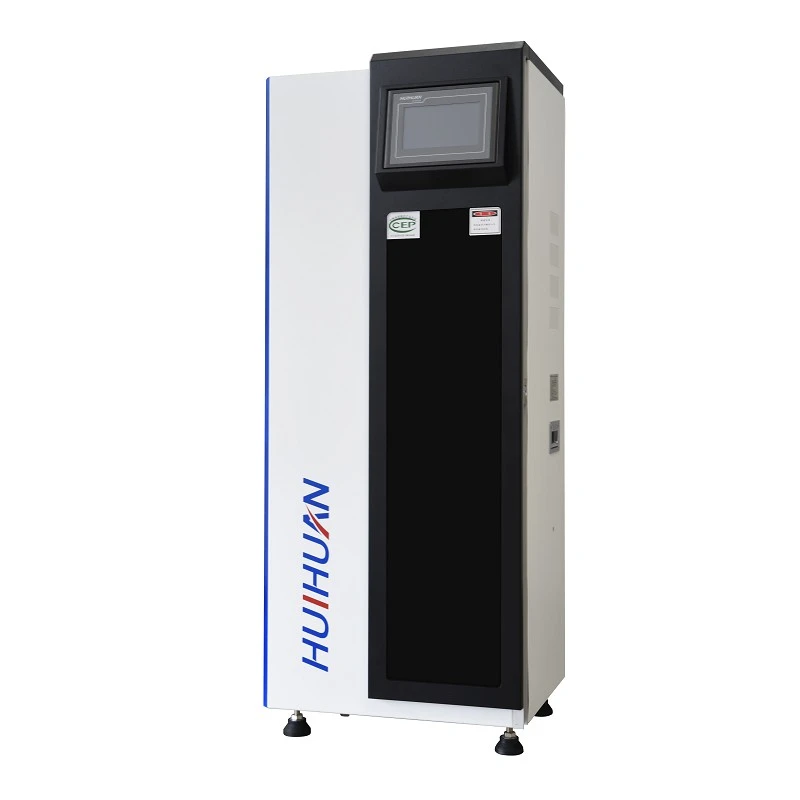

Turbidity meters work by measuring the amount of light scattered by suspended particles in water. A light source emits light into the water sample, and a detector measures the intensity of the scattered light at a specific angle. The higher the turbidity, the more light is scattered. These meters are used in drinking water treatment plants, environmental monitoring, and industrial processes where clear water is required.
4. Ammonium Nitrogen Analyzer
Ammonium nitrogen is an important indicator of water pollution. It can come from sources such as agricultural runoff, sewage, and industrial waste. High levels of ammonium nitrogen can cause eutrophication in water bodies, leading to excessive growth of algae and depletion of dissolved oxygen.
An ammonium nitrogen analyzer is designed to measure the concentration of ammonium nitrogen in water. It uses various analytical methods, such as colorimetry or ion - selective electrodes. These analyzers are often used in environmental monitoring stations, wastewater treatment plants, and research institutions to monitor the nitrogen content in water and ensure compliance with environmental regulations.
5. Water Quality Automatic Monitoring Station
A water quality automatic monitoring station is a comprehensive system that can continuously monitor multiple water quality parameters in real - time. It typically consists of sensors for measuring parameters such as pH, dissolved oxygen, turbidity, temperature, and various pollutants.
These stations are equipped with data acquisition and transmission systems, which can send the monitored data to a central control center. They are often installed in rivers, lakes, reservoirs, and coastal areas to provide continuous water quality information. Water quality automatic monitoring stations are essential for early warning of water pollution incidents and for long - term water quality management.
6. Online Hardness Tester For Water Quality
Water hardness is determined by the concentration of calcium and magnesium ions in water. Hard water can cause scaling in pipes and appliances, reducing their efficiency and lifespan. It can also affect the performance of detergents and other cleaning agents.
An online hardness tester for water quality can continuously measure the hardness of water in real - time. It usually uses ion - exchange or titration methods to determine the concentration of calcium and magnesium ions. These testers are widely used in industrial water treatment, boiler water monitoring, and domestic water softening systems.
7. Conductivity Meters
Conductivity is a measure of the ability of water to conduct an electric current. It is related to the concentration of dissolved ions in water, such as salts, acids, and bases. High conductivity can indicate the presence of pollutants or excessive mineral content in water.
Conductivity meters work by applying an electric current between two electrodes immersed in water and measuring the resistance. The conductivity is then calculated based on the measured resistance. These meters are used in a wide range of applications, including water quality assessment, soil salinity measurement, and industrial process control.
8. Heavy Metal Analyzers
Heavy metals such as lead, mercury, cadmium, and arsenic are highly toxic pollutants. They can accumulate in the environment and in the food chain, posing a serious threat to human health.
Heavy metal analyzers use advanced analytical techniques such as atomic absorption spectroscopy (AAS), inductively coupled plasma - mass spectrometry (ICP - MS), or electrochemical methods to detect and quantify the concentration of heavy metals in water. These analyzers are crucial in environmental monitoring, drinking water safety assessment, and industrial wastewater treatment to ensure that the heavy metal content in water meets the regulatory standards.
Why Choose Our Water Quality Monitoring Equipment?
As a water quality monitoring equipment supplier, we are committed to providing high - quality, reliable, and accurate monitoring solutions. Our products are designed and manufactured using the latest technologies and comply with international standards.
We offer a wide range of equipment, from single - parameter meters to comprehensive monitoring stations, to meet the diverse needs of our customers. Our technical support team is always ready to provide professional advice and after - sales service. Whether you are a small - scale water treatment plant or a large - scale environmental monitoring agency, we can provide you with the most suitable equipment and solutions.
If you are interested in our water quality monitoring equipment or have any questions about water quality monitoring, please feel free to contact us for procurement and negotiation. We look forward to working with you to ensure the safety and quality of water.
References
- APHA. (2017). Standard Methods for the Examination of Water and Wastewater. American Public Health Association.
- ASTM International. (2019). Annual Book of ASTM Standards: Water and Environmental Technology. ASTM International.
- USEPA. (2020). Water Quality Monitoring and Assessment. United States Environmental Protection Agency.