




Can a Monitoring Analyzer for Surface Water measure iron content?
 Jan 14, 2026|
 Hey there! As a supplier of Monitoring Analyzers for Surface Water, I often get asked a bunch of questions about what our devices can and can't do. One question that pops up quite a bit is, "Can a Monitoring Analyzer for Surface Water measure iron content?" Well, let's dive right into it.
First off, let's talk about why measuring iron content in surface water is important. Iron is a common element found in water, and while it's not always harmful in small amounts, high levels can cause some real issues. For one, it can give water a metallic taste and an unpleasant odor. This is a big no - no for drinking water supplies. Iron can also stain laundry and plumbing fixtures, which is a headache for homeowners. In industrial settings, high iron levels can cause corrosion in pipes and equipment, leading to costly repairs and maintenance.
Now, back to our monitoring analyzers. The short answer is yes, our Monitoring Analyzers for Surface Water can measure iron content. But it's not as simple as just sticking the analyzer in the water and getting an instant reading. There are a few different methods that our analyzers use to measure iron, and each has its own pros and cons.
One of the most common methods is colorimetry. This method works by adding a reagent to the water sample. The reagent reacts with the iron in the water to produce a colored compound. The intensity of the color is directly proportional to the amount of iron in the water. Our analyzers are equipped with a colorimeter that can measure the intensity of the color and convert it into an iron concentration. Colorimetry is a relatively simple and cost - effective method, and it can provide accurate results in a relatively short amount of time.
Another method that our analyzers can use is atomic absorption spectroscopy (AAS). This is a more advanced technique that involves vaporizing the water sample and passing it through a beam of light. The iron atoms in the sample absorb specific wavelengths of light, and the amount of absorption is measured to determine the iron concentration. AAS is a very accurate method, but it's also more expensive and requires more specialized equipment and training to operate.

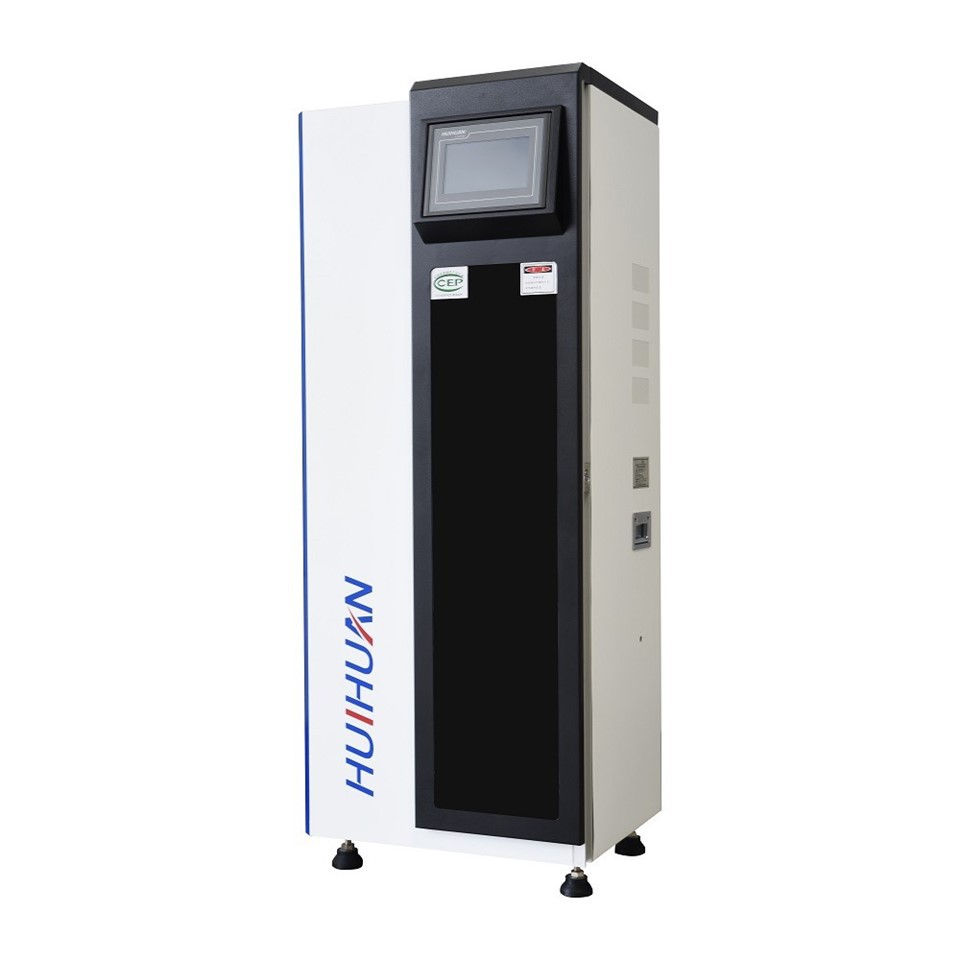
Our analyzers are designed to be versatile, and they can be configured to use different methods depending on the specific needs of our customers. Whether you're a small water treatment plant looking for a simple and cost - effective way to monitor iron levels or a large industrial facility that requires highly accurate and precise measurements, we've got you covered.
But measuring iron content isn't the only thing our Monitoring Analyzers for Surface Water can do. We also offer a range of other features and capabilities. For example, our Multi Parameter Water Quality Analyzer can measure multiple parameters simultaneously, including pH, dissolved oxygen, conductivity, and temperature. This allows you to get a comprehensive picture of the water quality in one go, which can save you time and money.
If you're specifically interested in measuring ammonium nitrogen, our Ammonium Nitrogen Analyzer is a great option. It uses a similar principle to our iron analyzers, but it's specifically designed to measure the concentration of ammonium nitrogen in the water. This is an important parameter to monitor, especially in wastewater treatment plants and agricultural settings.
And for those who need to monitor multiple key parameters continuously, our Five Parameter Online Monitoring Instruments are the way to go. These instruments can monitor pH, dissolved oxygen, conductivity, temperature, and turbidity in real - time, providing you with up - to - date information about the water quality.
So, if you're in the market for a Monitoring Analyzer for Surface Water that can measure iron content and much more, look no further. Our analyzers are reliable, accurate, and easy to use. They're backed by our team of experts who are always on hand to provide support and advice.
Whether you're a water utility, an industrial facility, or an environmental monitoring agency, we can help you find the right analyzer for your needs. If you're interested in learning more about our products or have any questions, don't hesitate to reach out. We're always happy to have a chat and discuss how our Monitoring Analyzers for Surface Water can benefit your operations. Let's start a conversation about your water quality monitoring needs and see how we can work together to ensure that your water is safe and clean.
References
- "Water Quality Monitoring: Principles and Practice" by A. D. Eaton, L. S. Clesceri, and E. W. Rice
- "Atomic Absorption Spectroscopy" by J. B. Willis
- "Colorimetric Analysis in Water Quality Monitoring" by R. J. Greenberg