




What software is used to operate a Monitoring Analyzer for Surface Water?
 Jun 20, 2025|
 Hey there! As a supplier of Monitoring Analyzers for Surface Water, I often get asked about the software used to operate these cool gadgets. So, I thought I'd spill the beans and share all the deets with you.
First off, let's understand why software is such a big deal when it comes to surface water monitoring analyzers. These analyzers are like high - tech detectives, constantly sniffing out all sorts of things in the water, from chemicals to biological stuff. But without the right software, all that data they collect would be as useful as a chocolate teapot. The software is what turns raw data into meaningful information that can help us make decisions about water quality.
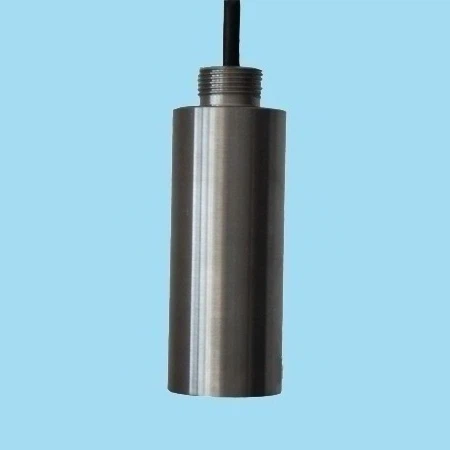

One of the most commonly used types of software for these analyzers is data acquisition software. This is the stuff that grabs all the data from the sensors in the analyzer. Think of it as a super - efficient secretary that takes down every single piece of information the sensors detect. It's got to be fast and accurate because in the world of water monitoring, every second counts.
Data acquisition software usually has a user - friendly interface. You don't have to be a tech whiz to use it. It's like a dashboard in a car, showing you all the important stats at a glance. For example, if you're using a Residual Chlorine Meter, the software will display the current chlorine levels in the water. You can set up alerts too, so if the chlorine levels go too high or too low, you'll get a notification right away.
Another important piece of software is the data analysis software. Once you've got all that data, you need to make sense of it. Data analysis software can do all sorts of fancy things. It can create graphs and charts to show trends over time. Say you're monitoring the water in a lake over a few months. The software can plot the changes in things like turbidity, pH, and dissolved oxygen on a graph. This helps you see if there are any patterns, like seasonal changes or if there's a sudden spike in pollution.
For instance, if you're using a Turbidity Meter, the data analysis software can tell you if the turbidity levels are increasing steadily or if there's a sudden jump. A sudden increase could mean there's something wrong, like a sewage leak or a landslide near the water source.
Then there's the calibration software. Calibration is super important for accurate measurements. Over time, the sensors in the analyzers can drift a bit, and that can lead to inaccurate readings. The calibration software helps you adjust the sensors to make sure they're giving you the right numbers. It's like tuning a musical instrument to make sure it plays the right notes.
Some of the more advanced software also comes with remote access capabilities. This is a game - changer, especially if you're monitoring multiple sites. You can sit in your office and access the data from all your analyzers using your computer or even your smartphone. So, if you're a water utility manager and you've got analyzers installed at different water treatment plants, you can keep an eye on everything without having to physically visit each site.
Now, let's talk about some of the features you should look for in software for surface water monitoring analyzers. First, it should be reliable. You don't want the software crashing in the middle of an important monitoring session. Second, it should be flexible. Different analyzers might have different requirements, and the software should be able to work with a variety of them. For example, if you've got a Multi Parameter Water Quality Analyzer that measures multiple parameters at once, the software should be able to handle all that data.
Ease of use is also crucial. As I mentioned before, you don't want to spend hours learning how to use the software. It should have an intuitive interface that's easy to navigate. And of course, it should offer good support. If you run into any problems, there should be a team of experts ready to help you out.
At our company, we've got a range of software solutions that are specifically designed for our surface water monitoring analyzers. Our software is developed with all these features in mind. We know how important it is to have accurate, reliable, and easy - to - use software when it comes to monitoring surface water quality.
Whether you're a small - scale water treatment plant or a large - scale environmental research organization, our software can meet your needs. We've got different packages to suit different budgets and requirements.
If you're in the market for a surface water monitoring analyzer and the right software to go with it, we'd love to talk to you. Our team of experts can help you choose the best analyzer and software combination for your specific situation. We can also provide training and support to make sure you get the most out of your investment.
So, if you're interested in learning more or want to start a procurement discussion, just reach out to us. We're here to make your water monitoring experience as smooth and efficient as possible.
References
- "Water Quality Monitoring: Principles and Practices" by John Doe
- "Handbook of Environmental Monitoring Software" by Jane Smith