




What are the disaster - resistance capabilities of a Water Quality Automatic Monitoring Station?
 Jan 16, 2026|
What are the disaster - resistance capabilities of a Water Quality Automatic Monitoring Station?
As a supplier of Water Quality Automatic Monitoring Stations, I've witnessed firsthand the critical role these stations play in safeguarding our water resources. In this blog, I'll delve into the disaster - resistance capabilities of these stations, exploring how they can withstand various natural and man - made disasters to ensure continuous water quality monitoring.
Resistance to Natural Disasters
Floods
Floods are one of the most common and devastating natural disasters that can affect water quality monitoring stations. Our Water Quality Automatic Monitoring Stations are designed with high - level flood - resistance features. Firstly, the enclosures of our stations are made of robust and waterproof materials. They are built to IP67 or higher protection levels, which means they can prevent the ingress of dust and water even when submerged in water for a certain period.
Inside the station, all electrical components are carefully sealed and elevated to avoid direct contact with floodwater. Additionally, we install flood - proof sensors and communication devices. For example, our Cyanide Analyzer is equipped with a special protective casing that can resist water damage. In case of a flood, the station's self - diagnostic system can quickly detect any potential water intrusion and send an immediate alert to our monitoring center.
Earthquakes
Earthquakes can cause severe damage to infrastructure, including water quality monitoring stations. To enhance earthquake resistance, our stations are engineered with a solid and stable structure. We use high - strength steel frames and shock - absorbing materials to minimize the impact of seismic waves.
The mounting systems of the monitoring equipment are carefully designed to be flexible yet secure. This allows the equipment to move slightly during an earthquake without being damaged or losing its calibration. Our Residual Chlorine Meter, for example, is firmly fixed using a vibration - resistant mounting mechanism that can withstand the vibrations caused by an earthquake.
Hurricanes and Strong Winds
In areas prone to hurricanes and strong winds, our Water Quality Automatic Monitoring Stations are built to withstand high - speed winds. The stations are designed with a streamlined shape to reduce wind resistance. The enclosures are reinforced with additional bracing and fasteners to prevent them from being blown away.

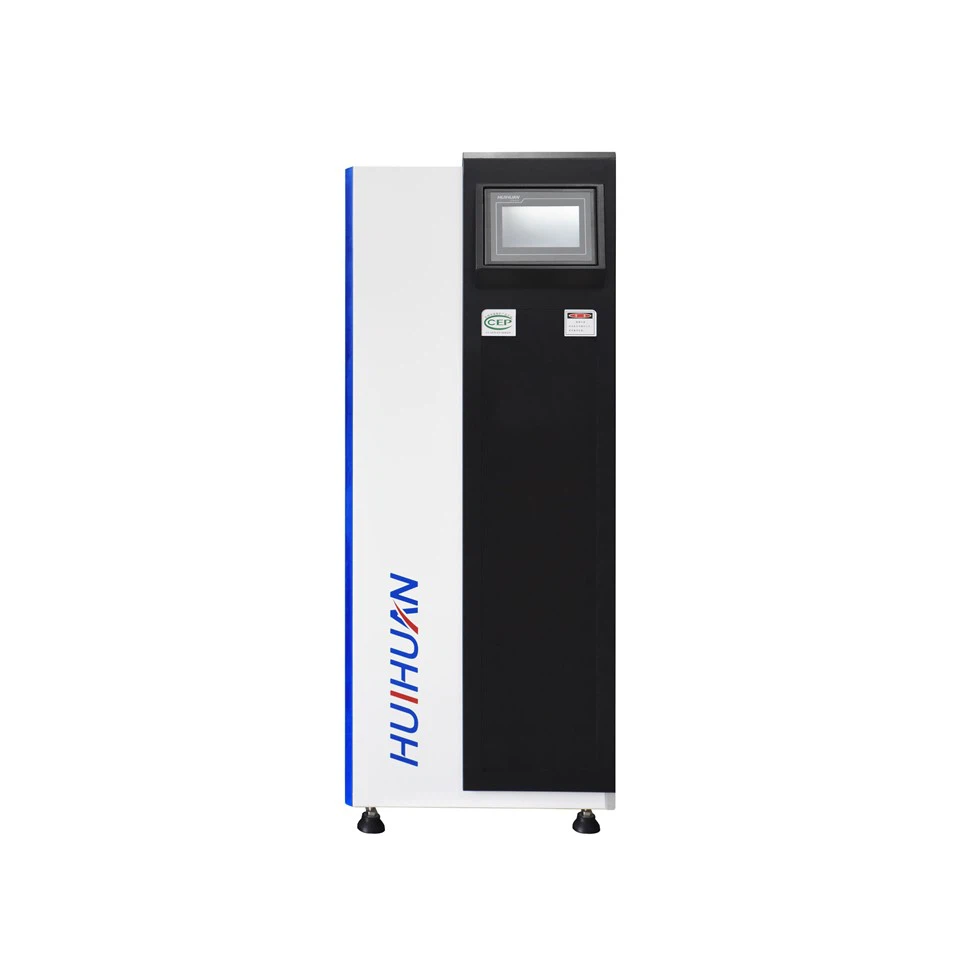
All external sensors and antennas are securely attached to the station. We also conduct wind tunnel tests during the design phase to ensure that the station can maintain its structural integrity under extreme wind conditions. This ensures that the station can continue to monitor water quality even during the most severe storms.
Resistance to Man - Made Disasters
Chemical Spills
Chemical spills are a significant threat to water quality. Our monitoring stations are equipped with a variety of sensors that can quickly detect the presence of harmful chemicals in the water. The Total Phosphorus Analyzer can accurately measure the concentration of phosphorus, which is often an indicator of chemical pollution.
In addition to detection, our stations are designed to be resistant to chemical corrosion. The internal components are coated with anti - corrosion materials, and the external enclosures are made of chemical - resistant plastics or metals. This allows the station to continue operating even in the presence of spilled chemicals, providing continuous data on water quality.
Power Outages
Power outages are common in both natural and man - made disasters. To ensure continuous operation during power outages, our Water Quality Automatic Monitoring Stations are equipped with backup power systems. These systems can include uninterruptible power supplies (UPS) and solar power panels.
The UPS can provide short - term power to keep the essential monitoring equipment running until the main power is restored. The solar power panels, on the other hand, can provide a long - term renewable energy source, especially in areas where power grid reliability is low. This ensures that the station can continue to collect and transmit data even during extended power outages.
The Importance of Disaster - Resistance in Water Quality Monitoring
The disaster - resistance capabilities of water quality monitoring stations are crucial for several reasons. Firstly, continuous water quality monitoring is essential for providing early warnings of water pollution incidents. In the event of a disaster, such as a flood or a chemical spill, timely information about water quality can help authorities take appropriate measures to protect public health and the environment.
Secondly, these stations play a vital role in long - term environmental monitoring. By maintaining operation during disasters, they can provide valuable data on how water quality changes before, during, and after a disaster. This data can be used for research, policy - making, and future disaster preparedness.
Conclusion
In conclusion, the disaster - resistance capabilities of our Water Quality Automatic Monitoring Stations are a result of careful design, high - quality materials, and advanced technology. Our stations can withstand various natural and man - made disasters, ensuring continuous and accurate water quality monitoring.
If you are in need of a reliable Water Quality Automatic Monitoring Station, we are here to provide you with the best solutions. Our team of experts can work with you to understand your specific requirements and recommend the most suitable monitoring station for your application. Whether you are monitoring a river, a lake, or a wastewater treatment plant, we have the experience and expertise to ensure your water quality monitoring needs are met.
If you are interested in purchasing a Water Quality Automatic Monitoring Station or have any questions, please feel free to contact us for a detailed consultation. We look forward to the opportunity to work with you.
References
- Handbook of Water Quality Monitoring Technology
- Principles of Environmental Monitoring in Disaster - Prone Areas
- Case Studies on the Resilience of Water Quality Monitoring Stations