




How does water quality monitoring work in rivers?
 Oct 15, 2025|
Hey there! As a supplier in the water quality monitoring game, I'm stoked to break down how water quality monitoring works in rivers. It's a super important topic, and I'm gonna share all the deets with you.
Why Monitor River Water Quality?
First off, why do we even bother monitoring the water quality in rivers? Well, rivers are like the life - lines of our ecosystems. They provide water for drinking, irrigation, and support a whole bunch of wildlife. If the water quality in rivers goes downhill, it can cause all sorts of problems. For instance, polluted river water can make people sick if it's used for drinking. It can also harm fish and other aquatic creatures, throwing off the balance of the entire ecosystem.
The Basics of Water Quality Monitoring
So, how does it all work? Water quality monitoring is basically a process of collecting and analyzing water samples from rivers to figure out what's in there. There are a bunch of different things we look for when we're checking the water quality.
One of the key things is the presence of contaminants. These can be chemicals like heavy metals, pesticides, and industrial waste. We also look at biological factors, such as the presence of bacteria and other microorganisms. And then there are physical factors like temperature, pH level, and turbidity (how cloudy the water is).
Sampling the River Water
The first step in water quality monitoring is to collect water samples from the river. This might sound easy, but there's actually a proper way to do it. We use special sampling equipment to make sure we get a representative sample of the water.
We usually take samples at different points along the river and at different depths. This is because the water quality can vary depending on where you are in the river. For example, the water near the source of the river might be cleaner than the water further downstream, where it could have picked up more pollutants.
Once we've collected the samples, we need to get them to the lab as quickly as possible. This is because the water quality can change over time, especially if the samples are left sitting around.
Analyzing the Water Samples
Now, let's talk about how we analyze the water samples. There are a bunch of different techniques and instruments we use for this.
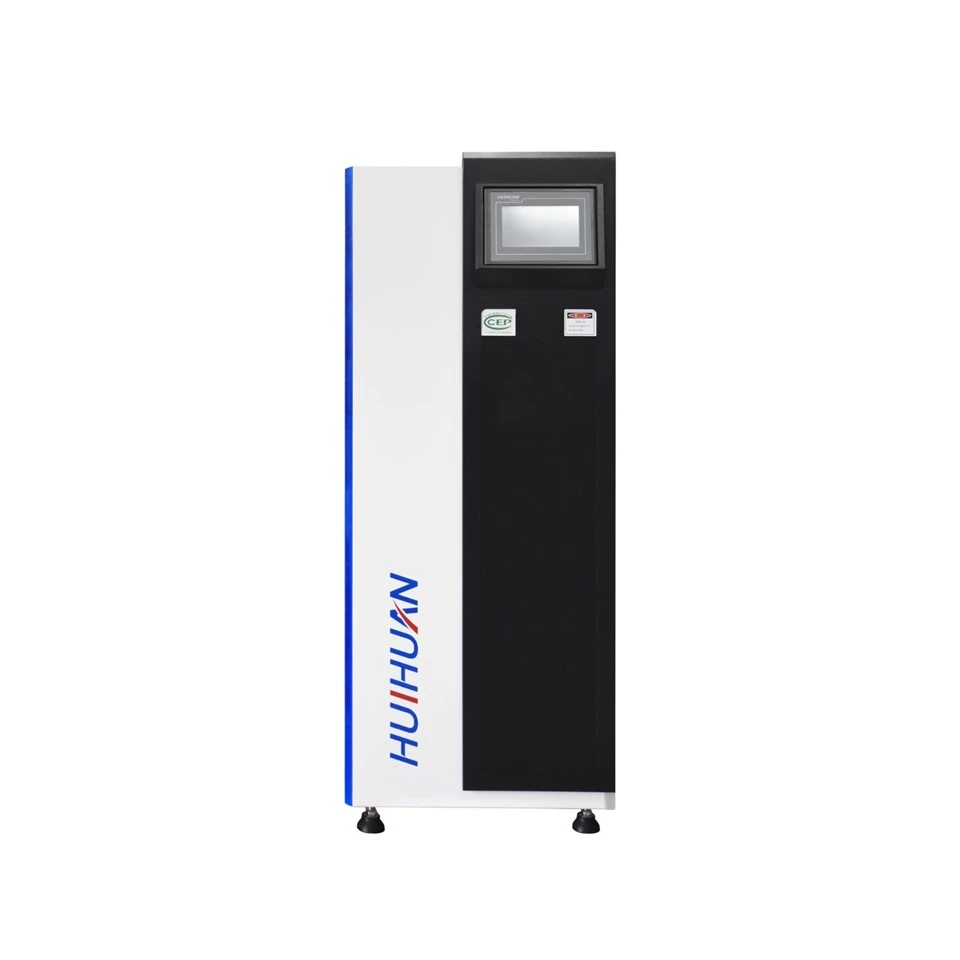
One of the most common ways to analyze water is through chemical analysis. This involves using various chemicals and tests to detect the presence of different contaminants. For example, if we want to check for the presence of hexavalent chromium, we can use a Hexavalent Chromium Analyzer. This analyzer can accurately measure the amount of hexavalent chromium in the water sample.
We also use biological analysis to check for the presence of bacteria and other microorganisms. This can be done through techniques like culturing the bacteria on special media and then counting the colonies.
Physical analysis is another important part of water quality monitoring. We use instruments to measure things like temperature, pH level, and turbidity. For example, a pH meter can tell us whether the water is acidic, basic, or neutral.
Continuous Monitoring Systems
In addition to taking periodic water samples, we also use continuous monitoring systems. These are devices that are installed in the river and can continuously measure different water quality parameters.
Continuous monitoring systems are really useful because they can provide real - time data. This means we can quickly detect any changes in the water quality and take action if necessary. For example, if the level of a certain pollutant suddenly spikes, we can investigate the source of the pollution and try to stop it.
These systems often use sensors to measure things like dissolved oxygen, conductivity, and the concentration of various chemicals. The data from these sensors is then transmitted to a central monitoring station, where it can be analyzed and monitored.
Using Advanced Technologies
We're also starting to use some really cool advanced technologies in water quality monitoring. For example, remote sensing can be used to get a big - picture view of the water quality in a river. Satellites and drones can be equipped with sensors to measure things like the color of the water, which can give us an idea of the presence of certain pollutants.
Another exciting technology is the use of artificial intelligence and machine learning. These can be used to analyze the large amounts of data that we collect from water quality monitoring. By using algorithms, we can identify patterns and trends in the data, which can help us make better decisions about water management.
Challenges in River Water Quality Monitoring
Of course, water quality monitoring in rivers isn't without its challenges. One of the biggest challenges is the cost. Buying the equipment, hiring trained staff, and running the labs all cost a lot of money.
Another challenge is the complexity of the river ecosystem. Rivers are constantly changing, and the water quality can be affected by a whole bunch of factors, such as weather, human activities, and natural events like floods. This makes it difficult to get an accurate and complete picture of the water quality.

The Importance of Regular Monitoring
Despite the challenges, regular water quality monitoring in rivers is crucial. By monitoring the water quality on a regular basis, we can detect problems early and take steps to prevent them from getting worse.
For example, if we notice that the level of a certain pollutant is slowly increasing over time, we can investigate the source of the pollution and take action to reduce it. This could involve working with local industries to improve their waste management practices or implementing stricter regulations.
How Our Company Can Help
As a water quality monitoring supplier, we've got all the tools and expertise you need to keep tabs on the water quality in rivers. We offer a wide range of high - quality monitoring equipment, including the Hexavalent Chromium Analyzer, Carbon Oxygen Demand MN Analyzer, and Total Lead Analyzer.
Our team of experts can also help you set up a monitoring program that's tailored to your specific needs. Whether you're a local government, a water utility company, or an environmental organization, we can work with you to ensure that you're getting accurate and reliable water quality data.
If you're interested in learning more about our products and services, or if you want to discuss your water quality monitoring needs, don't hesitate to reach out. We're here to help you keep our rivers clean and healthy.
Conclusion
In conclusion, water quality monitoring in rivers is a complex but essential process. By using a combination of sampling, analysis, continuous monitoring, and advanced technologies, we can get a better understanding of the water quality in rivers and take steps to protect it.
As a water quality monitoring supplier, we're committed to providing the best products and services to help you with your monitoring needs. So, if you're in the market for water quality monitoring equipment or services, give us a shout. Let's work together to ensure the health of our rivers and the well - being of our communities.
References
- APHA. (2017). Standard Methods for the Examination of Water and Wastewater. American Public Health Association.
- USEPA. (2020). Water Quality Monitoring: A Practical Guide to the Design and Implementation of Freshwater Quality Studies and Monitoring Programs. United States Environmental Protection Agency.