




How does a Water Quality Automatic Monitoring Station measure dissolved oxygen?
 Oct 31, 2025|
 Dissolved oxygen (DO) is a crucial parameter in assessing water quality, playing a vital role in the survival of aquatic organisms and the overall health of water ecosystems. As a leading supplier of Water Quality Automatic Monitoring Stations, we understand the significance of accurate DO measurement. In this blog post, we will delve into the methods and technologies employed by our monitoring stations to measure dissolved oxygen effectively.
The Importance of Dissolved Oxygen in Water Quality
Dissolved oxygen refers to the amount of oxygen gas that is dissolved in water. It is essential for the respiration of fish, invertebrates, and other aquatic life forms. Adequate levels of DO are necessary to support a healthy and diverse ecosystem. Low DO levels can lead to fish kills, the proliferation of harmful algae, and the degradation of water quality. Additionally, DO is an important indicator of the self - purification capacity of water bodies, as it is involved in the decomposition of organic matter.
Methods of Measuring Dissolved Oxygen in Water Quality Automatic Monitoring Stations
Electrochemical Sensors
One of the most common methods used in our Water Quality Automatic Monitoring Stations is the use of electrochemical sensors. These sensors work based on the principle of the reduction of oxygen at a cathode and the oxidation of a metal at an anode.
The most widely used type of electrochemical sensor for DO measurement is the polarographic sensor. In a polarographic sensor, a voltage is applied between the cathode and the anode. Oxygen diffuses through a permeable membrane and is reduced at the cathode, generating a current. The magnitude of this current is proportional to the concentration of dissolved oxygen in the water.
Another type of electrochemical sensor is the galvanic sensor. Galvanic sensors operate without an external power source. The oxidation of a metal anode and the reduction of oxygen at a cathode create a self - generating electrical current. The current is then measured and correlated to the DO concentration.
Electrochemical sensors are known for their high sensitivity and relatively fast response time. They can provide continuous and real - time measurements of dissolved oxygen, making them suitable for long - term monitoring in water bodies. However, they require regular calibration and maintenance to ensure accurate results.
Optical Sensors
Optical sensors are another technology used in our monitoring stations to measure dissolved oxygen. These sensors are based on the principle of fluorescence quenching.
An optical DO sensor typically consists of a light source, a fluorescent dye, and a detector. The fluorescent dye is excited by the light source, and it emits fluorescence. When oxygen molecules come into contact with the dye, they quench the fluorescence. The degree of fluorescence quenching is proportional to the concentration of dissolved oxygen in the water.
Optical sensors have several advantages over electrochemical sensors. They do not consume oxygen during the measurement process, which means they do not cause any disturbance to the water sample. They also have a longer lifespan and require less maintenance. Additionally, optical sensors are less affected by fouling and can provide more stable measurements in turbid waters.
However, optical sensors may be more expensive than electrochemical sensors. They also require proper protection from direct sunlight and extreme temperatures to ensure accurate performance.
Factors Affecting Dissolved Oxygen Measurement
Several factors can affect the accuracy of dissolved oxygen measurement in our Water Quality Automatic Monitoring Stations.
Temperature: The solubility of oxygen in water decreases as the temperature increases. Therefore, temperature compensation is necessary to obtain accurate DO measurements. Our monitoring stations are equipped with temperature sensors to correct the DO readings based on the water temperature.
Salinity: Salinity also affects the solubility of oxygen in water. As the salinity increases, the solubility of oxygen decreases. Our monitoring stations can measure salinity and apply appropriate corrections to the DO measurements.
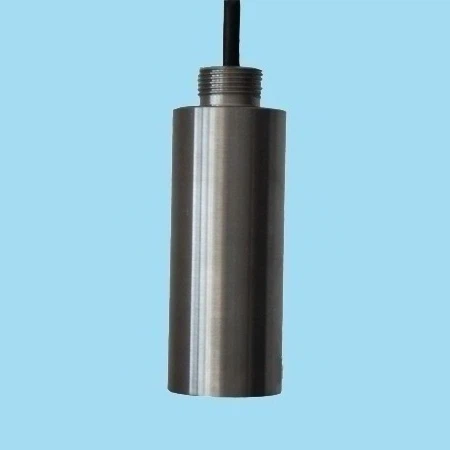

Pressure: The pressure of the water column can influence the DO concentration. At higher pressures, the solubility of oxygen increases. Our monitoring stations can take into account the water pressure to ensure accurate DO measurements, especially in deep water bodies.
Water Flow: Adequate water flow is essential for accurate DO measurement. Insufficient water flow can lead to the formation of a stagnant layer around the sensor, resulting in inaccurate readings. Our monitoring stations are designed to ensure proper water flow around the sensors to minimize this effect.
Integration with Other Water Quality Parameters
Our Water Quality Automatic Monitoring Stations not only measure dissolved oxygen but also integrate the measurement of other important water quality parameters. For example, Turbidity Meter can be used to measure the turbidity of water, which can affect the penetration of light and the photosynthetic activity of aquatic plants, thus influencing the DO levels.
The Online Hardness Tester For Water Quality can measure the hardness of water, which is related to the concentration of calcium and magnesium ions. These ions can affect the chemical and biological processes in water, indirectly influencing the DO concentration.
The Total Cadmium Analyzer can detect the presence of cadmium in water. Heavy metals like cadmium can be toxic to aquatic organisms and can also affect the DO levels by interfering with the metabolic processes of these organisms.
By integrating the measurement of multiple water quality parameters, our monitoring stations can provide a comprehensive understanding of the water quality and its impact on the ecosystem.
Contact Us for Water Quality Monitoring Solutions
If you are interested in our Water Quality Automatic Monitoring Stations or have any questions about dissolved oxygen measurement or other water quality parameters, we encourage you to contact us. Our team of experts is ready to provide you with detailed information and customized solutions to meet your specific monitoring needs. Whether you are involved in environmental protection, water resource management, or industrial wastewater treatment, our monitoring stations can help you ensure the quality and safety of water.
References
- APHA. Standard Methods for the Examination of Water and Wastewater. American Public Health Association, American Water Works Association, Water Environment Federation.
- Radojevic, M., & Bashkin, V. N. (1999). Chemical Analysis of Water. John Wiley & Sons.
- Stumm, W., & Morgan, J. J. (1996). Aquatic Chemistry: Chemical Equilibria and Rates in Natural Waters. John Wiley & Sons.