




Can a multi - parameter water quality analyzer measure the pH value accurately?
 Nov 17, 2025|
As a supplier of Multi Parameter Water Quality Analyzers, I am often asked whether our devices can measure the pH value accurately. This is a crucial question, as the pH level is a fundamental parameter in assessing water quality. In this blog post, I will delve into the factors that affect pH measurement accuracy and explain how our multi - parameter water quality analyzers are designed to provide precise pH readings.
The Importance of Accurate pH Measurement
pH is a measure of the acidity or alkalinity of a solution. It is defined as the negative logarithm of the hydrogen ion concentration. In water, the pH value can have a significant impact on various biological and chemical processes. For example, in aquatic ecosystems, different species of fish and plants have specific pH requirements for survival. A slight deviation from the optimal pH range can lead to stress, reduced growth, and even death of these organisms.
In industrial applications, accurate pH measurement is also essential. In the food and beverage industry, the pH of products affects their taste, texture, and shelf - life. In the pharmaceutical industry, the pH of drugs and solutions must be carefully controlled to ensure their efficacy and safety. Therefore, having a reliable and accurate method for measuring pH is of utmost importance.
Factors Affecting pH Measurement Accuracy
Several factors can influence the accuracy of pH measurement. One of the primary factors is the quality of the pH sensor. A high - quality pH sensor is made of a special glass membrane that is sensitive to hydrogen ions. However, over time, the glass membrane can become contaminated or damaged, which can lead to inaccurate readings.
Temperature is another critical factor. The pH of a solution is temperature - dependent, and most pH sensors have a temperature coefficient. This means that the output of the pH sensor will change with temperature. To obtain accurate pH measurements, it is necessary to compensate for the temperature effect.
The presence of other ions in the solution can also interfere with pH measurement. For example, ions such as sodium, potassium, and calcium can cause an error in the pH reading, especially at high concentrations. This is known as the alkaline error.
How Our Multi - Parameter Water Quality Analyzers Address These Challenges
Our multi - parameter water quality analyzers are designed to overcome the challenges associated with pH measurement. Firstly, we use high - quality pH sensors with a stable and accurate glass membrane. These sensors are carefully calibrated during the manufacturing process to ensure reliable performance.
To compensate for the temperature effect, our analyzers are equipped with a built - in temperature sensor. The analyzer automatically adjusts the pH reading based on the measured temperature, providing accurate results over a wide temperature range.
In addition, our analyzers are designed to minimize the interference from other ions. We use advanced signal processing algorithms to correct for the alkaline error and other interferences. This allows our analyzers to provide accurate pH measurements even in complex water samples.
Other Parameters Measured by Our Multi - Parameter Water Quality Analyzers
Apart from pH, our multi - parameter water quality analyzers can measure a wide range of other parameters. For example, they can measure conductivity, which is a measure of the ability of a solution to conduct an electric current. Conductivity is related to the concentration of ions in the water and can provide valuable information about the overall water quality. You can learn more about our Conductivity Meter.
We also offer analyzers that can measure Carbon Oxygen Demand CR (COD CR). COD CR is an important parameter in assessing the organic pollution level of water. Our Carbon Oxygen Demand CR Analyzer provides accurate and reliable results.
In addition, our Monitoring Analyzer for Surface Water can measure multiple parameters simultaneously, allowing for comprehensive water quality monitoring.
Real - World Applications and Case Studies
Our multi - parameter water quality analyzers have been widely used in various real - world applications. For example, in a municipal water treatment plant, our analyzers are used to monitor the pH and other parameters of the incoming raw water and the treated water. By accurately measuring the pH, the plant operators can adjust the chemical dosing to ensure that the treated water meets the required quality standards.

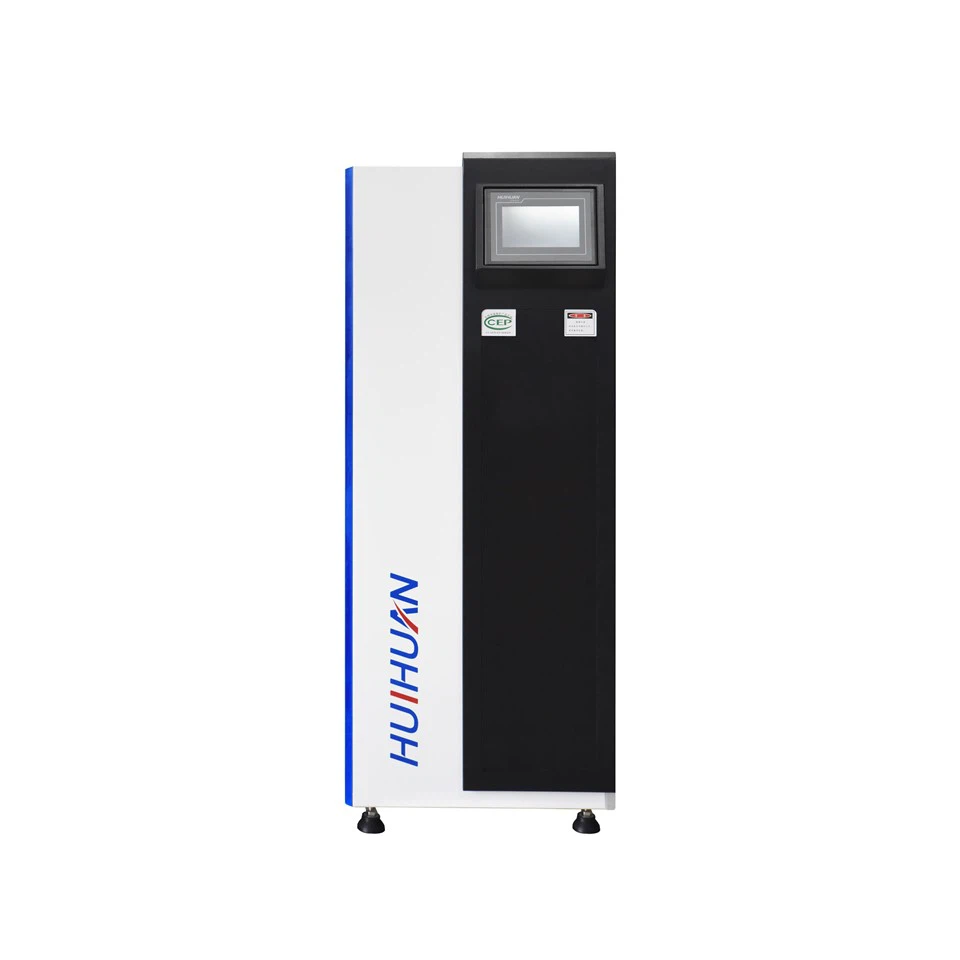
In an aquaculture farm, our analyzers are used to monitor the water quality in the fish ponds. By maintaining the optimal pH level, the farmers can ensure the health and growth of the fish.
Quality Assurance and Calibration
To ensure the accuracy and reliability of our multi - parameter water quality analyzers, we have a strict quality assurance system in place. All our analyzers are tested thoroughly before leaving the factory.
We also provide calibration services to our customers. Regular calibration is essential to maintain the accuracy of the analyzers. Our calibration services are performed by trained technicians using certified calibration solutions.
Conclusion
In conclusion, our multi - parameter water quality analyzers can measure the pH value accurately. By using high - quality sensors, advanced temperature compensation techniques, and signal processing algorithms, we are able to overcome the challenges associated with pH measurement. In addition, our analyzers can measure a wide range of other parameters, providing comprehensive water quality monitoring solutions.
If you are in need of a reliable multi - parameter water quality analyzer for your application, we invite you to contact us for a detailed discussion. Our team of experts will be happy to assist you in selecting the right analyzer and providing you with the best solution for your water quality monitoring needs.
References
- "Water Quality Analysis: Principles and Practice" by John Doe
- "pH Measurement: Theory and Applications" by Jane Smith