




What is the difference between a portable and a benchtop residual chlorine meter?
 Aug 05, 2025|
 Residual chlorine is a crucial parameter in water quality assessment, especially in applications such as drinking water treatment, swimming pool maintenance, and industrial process water management. As a leading supplier of residual chlorine meters, we often encounter inquiries about the differences between portable and benchtop models. Understanding these differences is essential for selecting the most suitable instrument for your specific needs. In this blog post, we will delve into the key aspects that distinguish portable and benchtop residual chlorine meters.
Design and Portability
One of the most obvious differences between portable and benchtop residual chlorine meters lies in their design and portability. Portable meters are specifically engineered to be lightweight, compact, and easy to carry. They are typically battery - powered, which allows users to take measurements on - the - go, whether in the field, at remote water sampling sites, or during on - site inspections. Their rugged construction makes them suitable for use in various environmental conditions, from harsh industrial settings to outdoor natural water sources.
On the other hand, benchtop residual chlorine meters are larger and heavier, designed to be placed on a stable workbench or laboratory countertop. They are usually powered by an AC adapter, which provides a continuous and reliable power supply. Their fixed location is ideal for laboratory - based applications where high - precision and continuous monitoring are required. The larger size also allows for more complex internal components and a more elaborate display, enabling detailed data analysis and presentation.
Measurement Range and Accuracy
Both portable and benchtop residual chlorine meters are capable of measuring residual chlorine levels, but they may differ in terms of measurement range and accuracy. Portable meters are generally designed to cover a wide range of chlorine concentrations, from low levels in drinking water (typically in the range of 0 - 5 ppm) to higher levels in industrial wastewater or swimming pool water (up to 20 ppm or more). However, due to their compact design and the need to balance portability with performance, their accuracy may be slightly lower compared to benchtop models.
Benchtop residual chlorine meters, on the other hand, offer a more precise and accurate measurement. They are often calibrated to a higher degree of accuracy, with a smaller margin of error. This makes them suitable for applications where precise chlorine control is critical, such as in pharmaceutical manufacturing or high - end research laboratories. The measurement range of benchtop meters can also be adjusted more precisely, allowing for customized measurements according to specific requirements.
Display and User Interface
The display and user interface of portable and benchtop residual chlorine meters also vary significantly. Portable meters typically have a small, easy - to - read display that shows the measured chlorine value, along with other basic information such as battery status and measurement units. The user interface is designed to be simple and intuitive, with a limited number of buttons or a touch - screen interface for easy operation. This simplicity is essential for users who need to quickly take measurements in the field without the need for extensive training.
Benchtop meters, in contrast, usually feature a larger and more sophisticated display. They can show detailed measurement data, including historical trends, statistical analysis, and calibration information. The user interface is more comprehensive, allowing users to perform advanced functions such as data logging, setting alarms, and adjusting measurement parameters. This makes benchtop meters suitable for users who require in - depth data analysis and long - term monitoring.
Data Storage and Connectivity
Data storage and connectivity are important features for both portable and benchtop residual chlorine meters. Portable meters often have limited internal memory for storing measurement data. However, they may offer options for external data storage, such as USB flash drives or SD cards. Some portable meters also support wireless connectivity, such as Bluetooth or Wi - Fi, which allows users to transfer data to a smartphone, tablet, or computer for further analysis and reporting.
Benchtop meters, on the other hand, typically have larger internal memory and more advanced data storage capabilities. They can store a large amount of measurement data over an extended period, which is useful for long - term monitoring and trend analysis. In addition, benchtop meters usually come with a variety of connectivity options, including Ethernet, RS232, or USB ports. These connections allow for seamless integration with laboratory information management systems (LIMS) or other data - processing software, enabling efficient data sharing and management.
Cost and Maintenance
Cost is an important factor to consider when choosing between a portable and a benchtop residual chlorine meter. Portable meters are generally more affordable, with a lower upfront cost. This makes them a popular choice for small - scale operations, field technicians, or users on a budget. However, they may require more frequent battery replacements and calibration, which can add to the long - term cost.

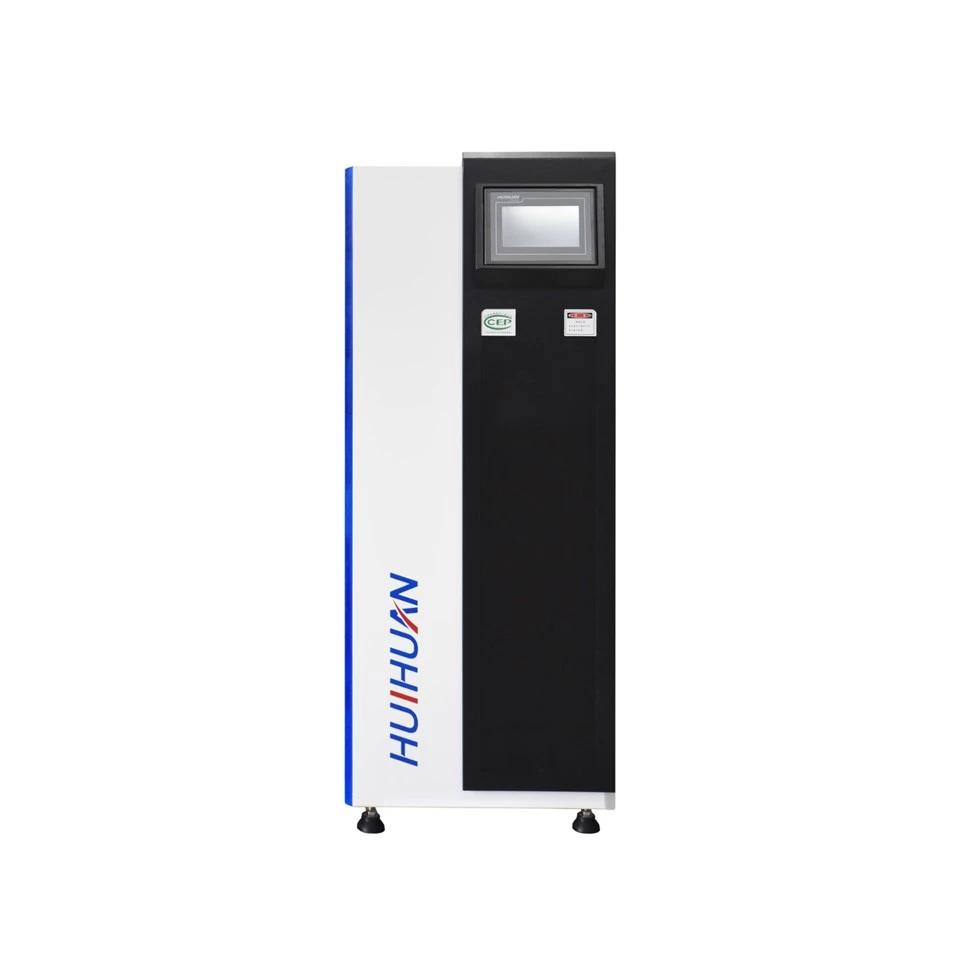
Benchtop meters are more expensive due to their advanced features, higher accuracy, and larger size. However, they often come with a longer warranty and require less frequent maintenance. The cost of calibration and replacement parts may also be lower in the long run, as they are designed for continuous and reliable operation in a laboratory environment.
Applications
The choice between a portable and a benchtop residual chlorine meter also depends on the specific application. Portable meters are ideal for field applications, such as water quality monitoring in remote areas, on - site inspections of swimming pools, or quick checks of industrial wastewater. They allow users to obtain immediate results and make on - the - spot decisions.
Benchtop meters are more suitable for laboratory - based applications, such as research and development, quality control in water treatment plants, or pharmaceutical manufacturing. They provide high - precision measurements and advanced data analysis capabilities, which are essential for these types of applications.
Related Products
In addition to residual chlorine meters, we also offer a range of other water quality monitoring products. For example, our Online Total Nitrogen Analyzer is designed to accurately measure the total nitrogen content in water, which is an important parameter for assessing water eutrophication. Our Hexavalent Chromium Analyzer can detect the presence of hexavalent chromium, a highly toxic heavy metal, in water samples. And our Automatic Water Sampler is a useful tool for collecting water samples at regular intervals for further analysis.
Conclusion
In summary, the differences between portable and benchtop residual chlorine meters are significant, and the choice between them depends on various factors such as portability requirements, measurement accuracy, data analysis needs, and budget. As a professional residual chlorine meter supplier, we are committed to providing high - quality products and excellent customer service. Whether you need a portable meter for field use or a benchtop meter for laboratory applications, we have the right solution for you.
If you are interested in purchasing a residual chlorine meter or have any questions about our products, please feel free to contact us for further information and procurement negotiation. We look forward to working with you to ensure the best water quality monitoring solutions for your needs.
References
- APHA, AWWA, WEF. Standard Methods for the Examination of Water and Wastewater. 23rd ed. American Public Health Association, Washington, DC, 2017.
- ASTM International. ASTM D1252 - 12(2017)e1 Standard Test Methods for Chemical Oxygen Demand (Dichromate Oxygen Demand) of Water. ASTM International, West Conshohocken, PA, 2017.