




Can a Total Phosphorus Analyzer be used for drinking water quality monitoring?
 Aug 27, 2025|
 Can a Total Phosphorus Analyzer be used for drinking water quality monitoring?
Hey there! I'm a supplier of Total Phosphorus Analyzers, and today I wanna chat about whether these analyzers can be used for drinking water quality monitoring.
First off, let's understand what total phosphorus is. Phosphorus is an essential element, but when it comes to drinking water, too much of it can be a real problem. Excessive phosphorus can lead to the growth of algae and other aquatic plants in water sources. This phenomenon, known as eutrophication, can cause a whole bunch of issues. Algae blooms can make the water look murky, give it a bad smell, and in some cases, produce toxins that are harmful to humans and animals.
So, the question is, can our Total Phosphorus Analyzer help keep an eye on the phosphorus levels in drinking water? The answer is a big yes! These analyzers are designed to accurately measure the total amount of phosphorus in a water sample. They work by using various chemical and analytical techniques to break down all the different forms of phosphorus in the water into a measurable form.
One of the key advantages of using a Total Phosphorus Analyzer for drinking water quality monitoring is its accuracy. These analyzers are calibrated to provide precise results, which is crucial when it comes to ensuring that the drinking water meets the safety standards. Regulatory bodies around the world have set strict limits on the amount of phosphorus allowed in drinking water. By using a reliable Total Phosphorus Analyzer, water treatment plants and monitoring agencies can easily determine if the water is within the acceptable range.
Another great thing about these analyzers is their ease of use. Most modern Total Phosphorus Analyzers are equipped with user - friendly interfaces. You don't need to be a chemistry expert to operate them. Just follow the simple instructions, take a water sample, and let the analyzer do its job. It will quickly give you the results, allowing for prompt action if the phosphorus levels are too high.
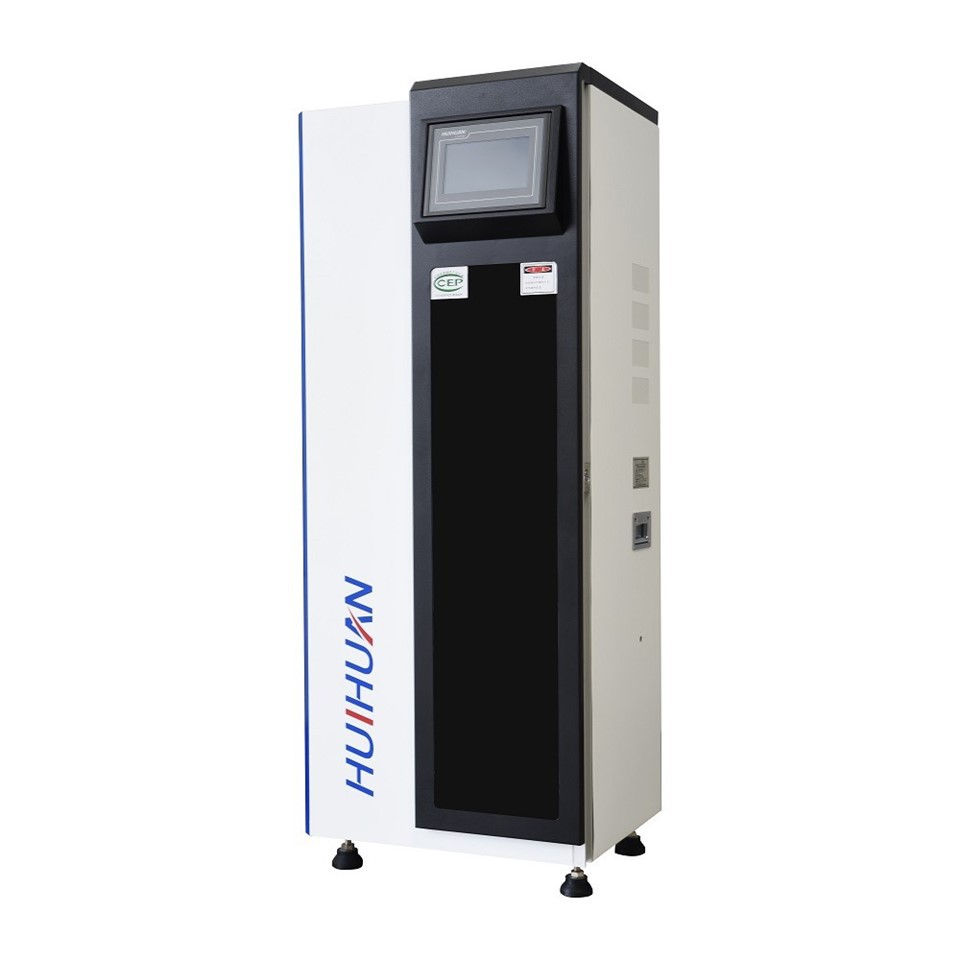

Now, let's talk about how a Total Phosphorus Analyzer fits into the bigger picture of drinking water quality monitoring. It's not the only tool you need, but it's an important part of the toolkit. For example, a Conductivity Meter can be used to measure the electrical conductivity of the water, which can give an indication of the overall amount of dissolved solids in the water. A Hexavalent Chromium Analyzer can detect the presence of hexavalent chromium, a highly toxic substance. And a Multi Parameter Water Quality Analyzer can measure multiple parameters at once, providing a more comprehensive view of the water quality.
When it comes to the actual process of using a Total Phosphorus Analyzer for drinking water monitoring, here's how it usually goes. First, you collect a representative water sample from the source. This could be from a well, a reservoir, or a treatment plant. Then, you prepare the sample according to the analyzer's instructions. This might involve adding some reagents to the sample to break down the phosphorus compounds. After that, you insert the sample into the analyzer, and it will start the analysis process.
The analysis time can vary depending on the type of analyzer. Some analyzers can give you results in just a few minutes, while others might take a bit longer. Once you get the results, you can compare them with the regulatory standards. If the phosphorus levels are above the limit, the water treatment plant can take steps to reduce the phosphorus content. This could involve adding chemicals to precipitate the phosphorus or using filtration methods.
However, like any technology, Total Phosphorus Analyzers also have some limitations. For example, they might be affected by the presence of other substances in the water. Some organic compounds or heavy metals can interfere with the analysis and give inaccurate results. That's why it's important to properly pre - treat the water sample and follow the manufacturer's instructions carefully.
Also, the cost of these analyzers can be a factor. High - quality Total Phosphorus Analyzers can be quite expensive, especially if you need a large number of them for a big - scale monitoring project. But in the long run, the investment is worth it. Ensuring the safety of drinking water is of utmost importance, and having accurate monitoring tools is essential.
In conclusion, a Total Phosphorus Analyzer is a valuable tool for drinking water quality monitoring. It can help detect excessive phosphorus levels, which can prevent eutrophication and protect public health. While it's not the only solution, it plays a vital role in a comprehensive water quality monitoring system.
If you're in the business of water treatment, water quality monitoring, or if you're just concerned about the safety of your drinking water, a Total Phosphorus Analyzer could be a great addition to your setup. We offer a wide range of high - quality Total Phosphorus Analyzers that are reliable, accurate, and easy to use. If you're interested in learning more or discussing a potential purchase, don't hesitate to reach out. We'd be more than happy to have a chat and help you find the right analyzer for your needs.
References
- "Water Quality Monitoring: A Practical Guide" by John Doe
- "Phosphorus in Drinking Water: Sources, Effects, and Control" by Jane Smith