




What is the price range of a Total Phosphorus Analyzer?
 Dec 11, 2025|
 As a supplier of Total Phosphorus Analyzers, one of the most common questions I get from potential customers is about the price range. It's an important question since budget often plays a huge role in the purchasing decision. So, let's break down the factors that affect the price of a Total Phosphorus Analyzer and explore what kind of price range you can expect.
Factors Affecting the Price
1. Technology and Precision
The technology used in the analyzer is a major determinant of its price. There are different methods for measuring total phosphorus, such as colorimetry, ion chromatography, and ultraviolet - visible spectrometry.
Colorimetry is a more common and relatively affordable method. It works by reacting the phosphorus in the sample with a specific reagent to produce a colored compound. The intensity of the color is then measured to determine the phosphorus concentration. Analyzers using this technology are generally on the lower end of the price spectrum because the equipment is simpler and more cost - effective to manufacture.
On the other hand, ion chromatography and ultraviolet - visible spectrometry offer higher precision and can detect lower levels of phosphorus. These methods require more advanced equipment and expertise to operate. As a result, analyzers using these technologies are more expensive. They are often used in research institutions or industries where extremely accurate measurements are required.
2. Automation Level
Another factor is the level of automation. Basic manual Total Phosphorus Analyzers require operators to perform most of the steps manually, such as sample preparation, reagent addition, and measurement recording. These are typically the cheapest option. They are suitable for small - scale applications or laboratories with a limited budget and less demanding requirements.
Semi - automatic analyzers have some automated functions. For example, they might automate the addition of reagents or the measurement process. However, there is still some manual intervention required. The price of semi - automatic analyzers is moderate, falling between the manual and fully automatic types.
Fully automatic Total Phosphorus Analyzers are the most expensive. They can handle the entire process from sample collection to result analysis with minimal human intervention. These analyzers are equipped with advanced robotics and software systems that ensure accurate and consistent results. They are ideal for large - scale water treatment plants, environmental monitoring agencies, and industries with high - volume testing needs.
3. Additional Features and Capabilities
Some Total Phosphorus Analyzers come with additional features that can increase their price. For instance, analyzers with built - in data logging capabilities can store measurement results, making it easier to track changes over time. These are useful for long - term monitoring projects.
Analyzers that are compatible with other water quality monitoring devices offer added value. For example, they can be integrated with an Automatic Water Sampler to collect samples at regular intervals or a Multi Parameter Water Quality Analyzer to measure other water quality parameters simultaneously. These features enhance the functionality of the analyzer but also come at a higher cost.
Another additional feature is portability. Handheld Total Phosphorus Analyzers are more expensive than their benchtop counterparts. They offer the convenience of on - site testing, which is crucial for fieldwork or rapid response situations. You might also be interested in a Handheld Electrode - type Water Quality Detector if you need a more comprehensive on - site testing solution.
Price Range
Now, let's talk about the actual price range. Keep in mind that these are approximate ranges and can vary depending on the brand, supplier, and specific features of the analyzer.

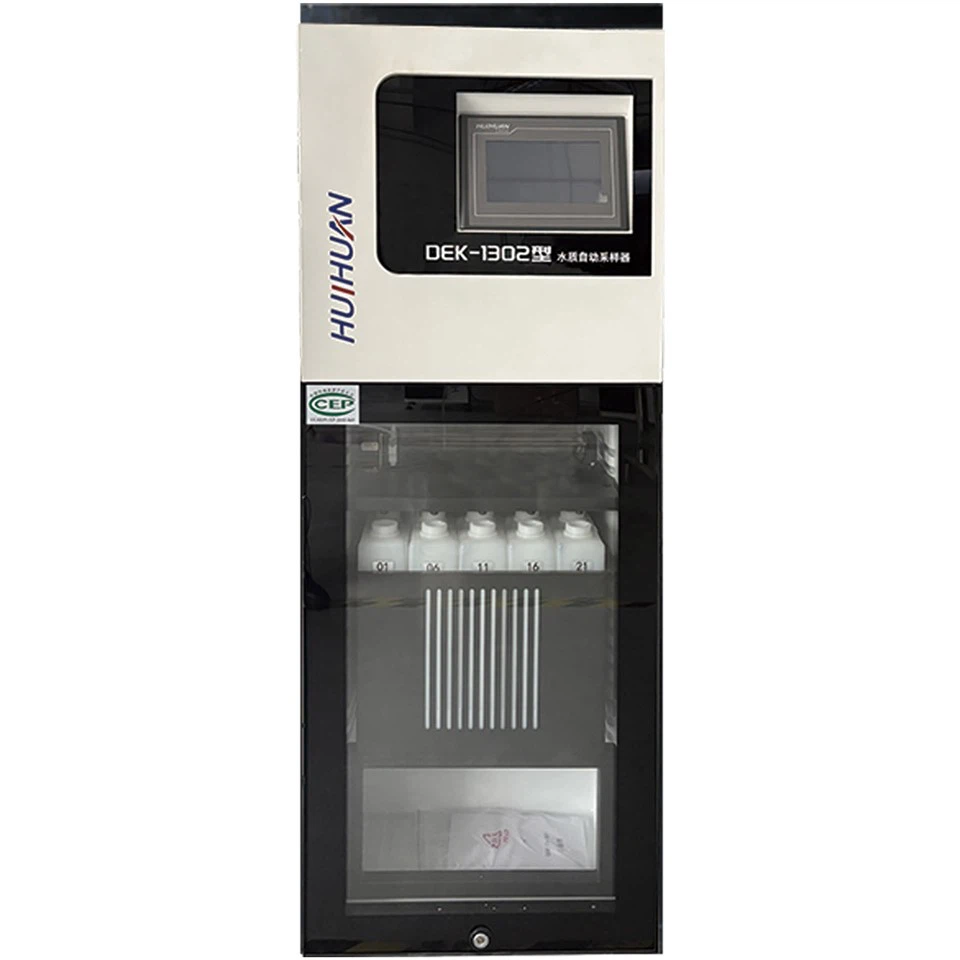
- Budget - friendly Options: Manual Total Phosphorus Analyzers can cost anywhere from $1,000 to $3,000. These are suitable for small laboratories or educational institutions that only need to perform occasional tests. They are relatively simple to use and maintain, but they may not offer the same level of accuracy or automation as more expensive models.
- Mid - range Analyzers: Semi - automatic analyzers typically range from $3,000 to $8,000. They offer a good balance between cost and functionality. They are suitable for medium - sized laboratories or industrial facilities that require more accurate and consistent results than manual analyzers can provide.
- High - end Analyzers: Fully automatic Total Phosphorus Analyzers with advanced features and high precision can cost $8,000 to $20,000 or more. These are used in large - scale applications where high - volume testing and accurate results are essential, such as in environmental monitoring and large water treatment plants.
Making the Right Choice
When it comes to choosing a Total Phosphorus Analyzer, price is just one factor to consider. You also need to think about your specific needs, such as the frequency of testing, the required level of accuracy, and the available budget.
If you only need to perform occasional tests, a budget - friendly manual analyzer might be sufficient. However, if you need to conduct a large number of tests regularly or require high - precision measurements, investing in a high - end fully automatic analyzer could be a better long - term solution.
Contact for Purchase and Consultation
I hope this blog has given you a better understanding of the price range of Total Phosphorus Analyzers. If you're interested in purchasing a Total Phosphorus Analyzer or have any questions about which model would be best for your specific needs, feel free to reach out. We're here to help you make the right choice and ensure that you get the most value for your money.
References
- Water Quality Monitoring Handbook
- Analytical Chemistry Textbooks on Phosphorus Measurement Methods