




How to handle malfunctions of an Automatic Water Sampler?
 Nov 03, 2025|
 Hey there! As a supplier of Automatic Water Samplers, I've seen my fair share of malfunctions. In this blog, I'll share some tips on how to handle those pesky issues that might pop up with your Automatic Water Sampler.
Understanding the Basics of an Automatic Water Sampler
Before we dive into troubleshooting, let's quickly go over what an Automatic Water Sampler does. It's a nifty device that collects water samples at regular intervals or under specific conditions. These samples are then used for various water quality analyses, like checking for pollutants, measuring chemical levels, and more.
Common Malfunctions and How to Fix Them
1. Sampling Errors
One of the most common issues is sampling errors. This could mean that the sampler isn't collecting the right amount of water or is collecting samples at the wrong time.
- Check the Settings: First things first, make sure the settings on your sampler are correct. Sometimes, a simple misconfiguration can lead to sampling errors. Double - check the sampling interval, volume, and any trigger conditions you've set.
- Inspect the Pump: The pump is responsible for drawing water into the sampler. If it's not working properly, it can cause sampling issues. Look for any signs of blockages in the pump or the tubing. You might need to clean or replace the pump if it's damaged.
2. Clogging
Clogging is another frequent problem, especially if the water being sampled contains a lot of debris, sediment, or algae.
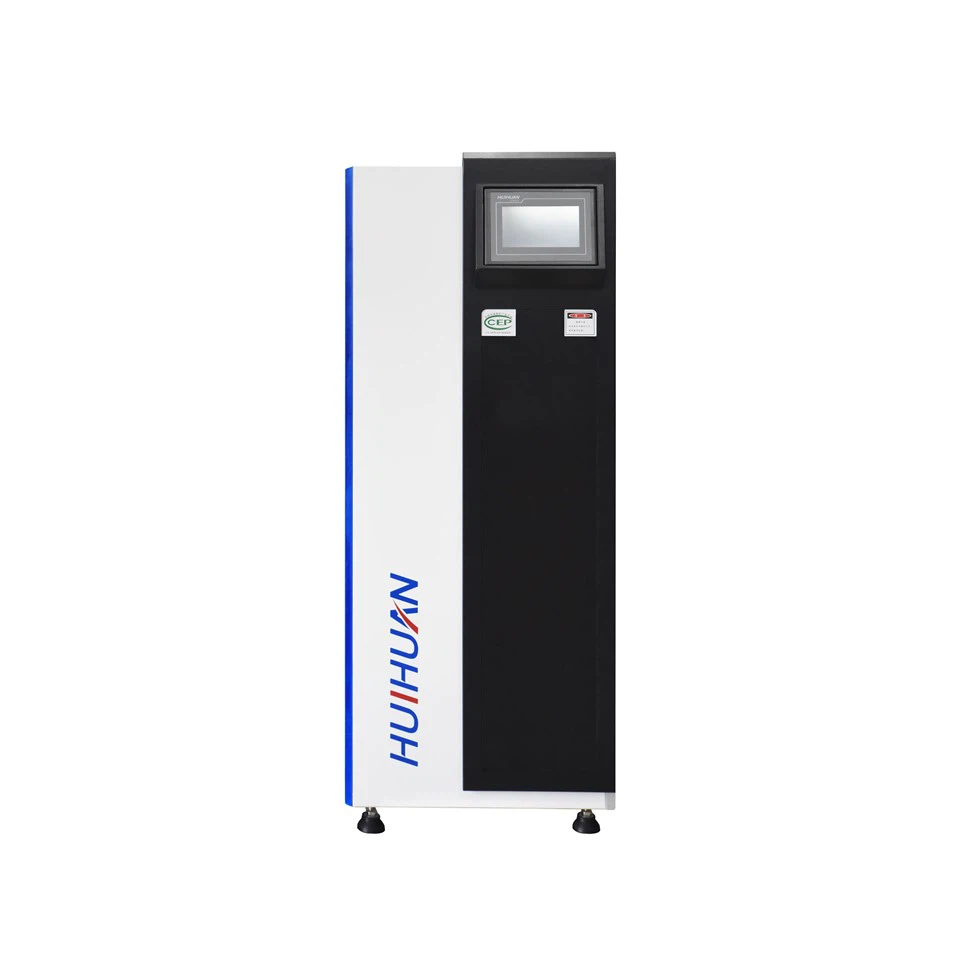
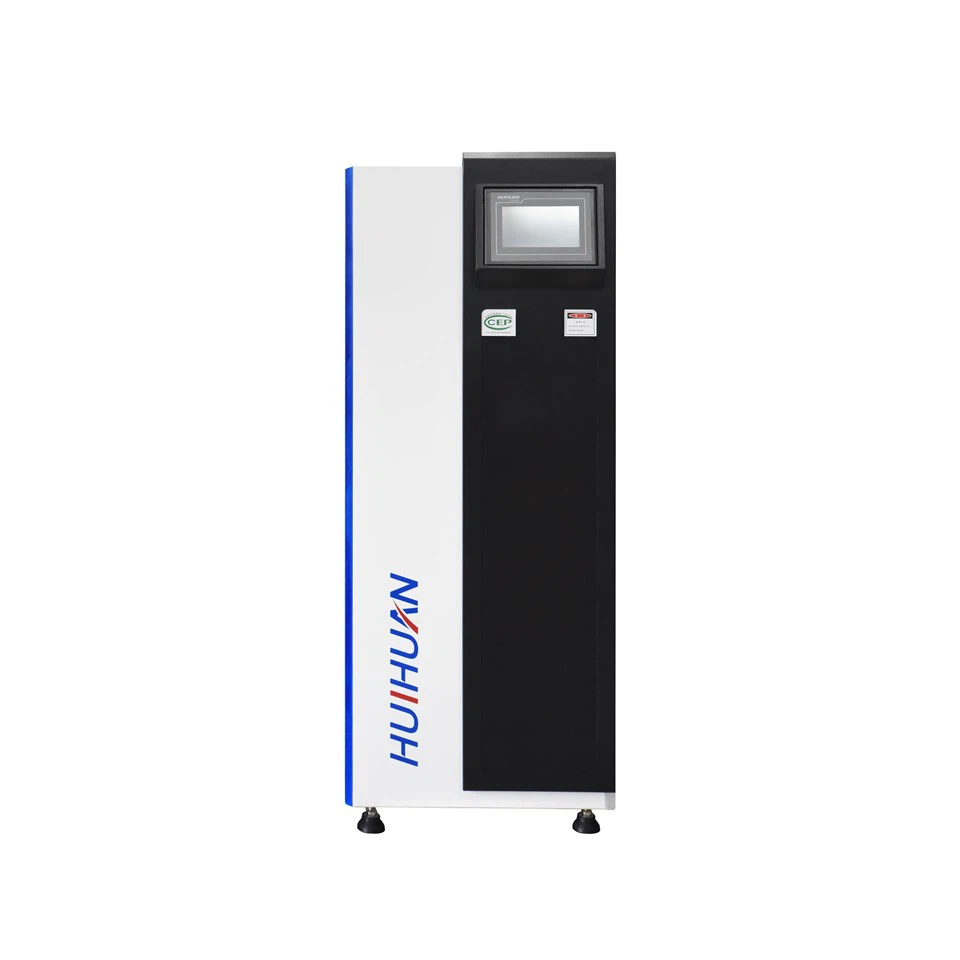
- Clean the Inlet: The inlet is where water enters the sampler. It's prone to clogging. Remove any visible debris from the inlet and use a brush or a pipe cleaner to clear out any blockages.
- Install a Pre - Filter: To prevent future clogging, consider installing a pre - filter. This will catch larger particles before they reach the sampler, reducing the risk of blockages. You can find pre - filters specifically designed for water samplers at most water quality equipment suppliers.
3. Communication Failures
If your Automatic Water Sampler is connected to a monitoring system or a data logger, communication failures can be a headache.
- Check the Connections: Make sure all the cables and connectors are properly plugged in. Loose connections can cause intermittent communication issues. Also, check for any signs of damage to the cables.
- Update the Firmware: Sometimes, communication problems can be fixed by updating the sampler's firmware. Check the manufacturer's website for the latest firmware version and follow the instructions to install it.
4. Power Problems
Without power, your sampler won't work at all.
- Check the Power Source: If the sampler is battery - powered, make sure the batteries are charged or replaced. If it's connected to an external power supply, check that the power outlet is working and the power cord is in good condition.
- Inspect the Power Circuit: Look for any signs of damage to the power circuit inside the sampler. If you're not comfortable doing this yourself, contact a professional technician.
Using Related Equipment for Better Monitoring
To get a more comprehensive understanding of water quality, you might want to consider using other related equipment. For example, the Monitoring Analyzer for Surface Water can provide real - time data on various water quality parameters. The Carbon Oxygen Demand CR Analyzer is great for measuring the amount of organic matter in the water, while the Cyanide Analyzer can detect the presence of cyanide, which is a highly toxic substance.
When to Call in the Professionals
Sometimes, the malfunctions can be too complex to fix on your own. Here are some signs that it's time to call in a professional:
- Persistent Issues: If you've tried all the troubleshooting steps and the problem still persists, it's a good idea to get help from an expert.
- Electrical or Mechanical Damage: If you notice any signs of electrical or mechanical damage, such as burnt wires or broken parts, don't attempt to fix it yourself. This can be dangerous and might void the warranty.
- Warranty Coverage: If your sampler is still under warranty, it's best to contact the manufacturer or an authorized service provider. They can ensure that the repairs are done correctly without voiding the warranty.
Maintaining Your Automatic Water Sampler
Preventive maintenance is key to keeping your Automatic Water Sampler in good working condition. Here are some maintenance tips:
- Regular Cleaning: Clean the sampler regularly, especially if it's used in a dirty or harsh environment. This includes cleaning the inlet, the pump, and the tubing.
- Calibration: Have the sampler calibrated regularly to ensure accurate sampling. Calibration ensures that the sampler is collecting the right amount of water and that the data it provides is reliable.
- Inspection: Periodically inspect the sampler for any signs of wear and tear. Replace any worn - out parts before they cause a malfunction.
Wrapping Up
Handling malfunctions of an Automatic Water Sampler might seem daunting at first, but with a little knowledge and some basic troubleshooting skills, you can keep your sampler running smoothly. Remember, if you're ever in doubt, don't hesitate to reach out for professional help.
If you're in the market for a new Automatic Water Sampler or need any replacement parts or accessories, feel free to contact us. We're here to help you with all your water sampling needs and can assist you in finding the best solutions for your specific requirements.
References
- Water Quality Monitoring Handbook. [Publisher Name]. [Publication Year].
- Automatic Water Sampler User Manual. [Manufacturer Name]. [Publication Year].