




Can a multi - parameter water quality analyzer measure the total nitrogen content in water?
 Sep 18, 2025|
 As a supplier of water quality analysis equipment, I often encounter questions from customers about the capabilities of our products. One of the most frequently asked questions is whether a Multi Parameter Water Quality Analyzer can measure the total nitrogen content in water. In this blog post, I will delve into this topic and provide a comprehensive answer.
Understanding Total Nitrogen in Water
Total nitrogen (TN) in water refers to the sum of all forms of nitrogen present, including organic nitrogen (such as proteins, amino acids, and urea), ammonia nitrogen (NH₃ - N), nitrite nitrogen (NO₂⁻ - N), and nitrate nitrogen (NO₃⁻ - N). Measuring total nitrogen is crucial for assessing water quality as excessive nitrogen can lead to eutrophication in water bodies, causing algal blooms, oxygen depletion, and harm to aquatic life.
The Working Principle of Multi - Parameter Water Quality Analyzers
Multi - parameter water quality analyzers are versatile instruments designed to measure multiple water quality parameters simultaneously. These analyzers typically use a combination of different detection methods, such as electrochemical sensors, optical sensors, and colorimetric methods.
Electrochemical Sensors
Electrochemical sensors work based on the principle of measuring the electrical current or potential generated by a chemical reaction between the analyte and the sensor electrode. For example, ammonia nitrogen can be measured using an ammonia - selective electrode, which generates a potential difference proportional to the ammonia concentration in the water.
Optical Sensors
Optical sensors rely on the absorption or emission of light by the analyte. For instance, nitrate nitrogen can be measured using ultraviolet (UV) absorption spectroscopy. Nitrate ions absorb UV light at a specific wavelength, and the amount of absorption is proportional to the nitrate concentration.
Colorimetric Methods
Colorimetric methods involve adding a reagent to the water sample, which reacts with the analyte to produce a colored compound. The intensity of the color is then measured using a spectrophotometer, and the concentration of the analyte is determined based on a calibration curve.
Measuring Total Nitrogen with a Multi - Parameter Water Quality Analyzer
Yes, a multi - parameter water quality analyzer can measure the total nitrogen content in water, but it depends on the specific analyzer and the method it employs.
Indirect Measurement
Some multi - parameter water quality analyzers measure total nitrogen indirectly by measuring the individual nitrogen species (ammonia nitrogen, nitrite nitrogen, and nitrate nitrogen) and then summing them up to obtain the total nitrogen value. This approach requires the analyzer to have sensors or detection methods for each of these nitrogen species.
For example, an analyzer equipped with an ammonia - selective electrode, a nitrite - sensitive optical sensor, and a nitrate - measuring UV absorption module can measure the concentrations of ammonia, nitrite, and nitrate nitrogen respectively. The total nitrogen content can then be calculated by adding these values together.
Direct Measurement
There are also multi - parameter water quality analyzers that can measure total nitrogen directly. These analyzers typically use advanced oxidation techniques to convert all forms of nitrogen in the water sample to nitrate nitrogen, which is then measured using a nitrate - specific detection method.
One common direct measurement method is the persulfate digestion method. In this method, the water sample is treated with potassium persulfate under high - temperature and high - pressure conditions. The persulfate oxidizes all forms of nitrogen (organic nitrogen, ammonia nitrogen, and nitrite nitrogen) to nitrate nitrogen. The resulting nitrate nitrogen is then measured using a colorimetric or UV absorption method.
Advantages of Using a Multi - Parameter Water Quality Analyzer for Total Nitrogen Measurement
Efficiency
A multi - parameter water quality analyzer can measure multiple water quality parameters, including total nitrogen, in a single analysis. This saves time and effort compared to using separate instruments for each parameter.
Cost - Effectiveness
Investing in a multi - parameter water quality analyzer can be more cost - effective in the long run, as it eliminates the need to purchase multiple single - parameter analyzers.
Convenience
These analyzers are often portable and easy to use, making them suitable for on - site water quality monitoring. For example, our Handheld Electrode - type Water Quality Detector is a compact and user - friendly device that can measure multiple water quality parameters, including total nitrogen, in the field.
Considerations When Measuring Total Nitrogen
Interferences
When measuring total nitrogen, it is important to consider potential interferences from other substances in the water. For example, some organic compounds may absorb UV light at the same wavelength as nitrate nitrogen, leading to inaccurate measurements. To minimize interferences, proper sample pretreatment may be required, such as filtration or dilution.
Calibration
Regular calibration of the multi - parameter water quality analyzer is essential to ensure accurate and reliable measurements. Calibration should be performed using standard solutions with known nitrogen concentrations to establish a calibration curve.
Maintenance
Proper maintenance of the analyzer, including cleaning the sensors, replacing reagents, and checking the instrument's performance, is crucial to ensure its long - term stability and accuracy.
Other Related Water Quality Parameters
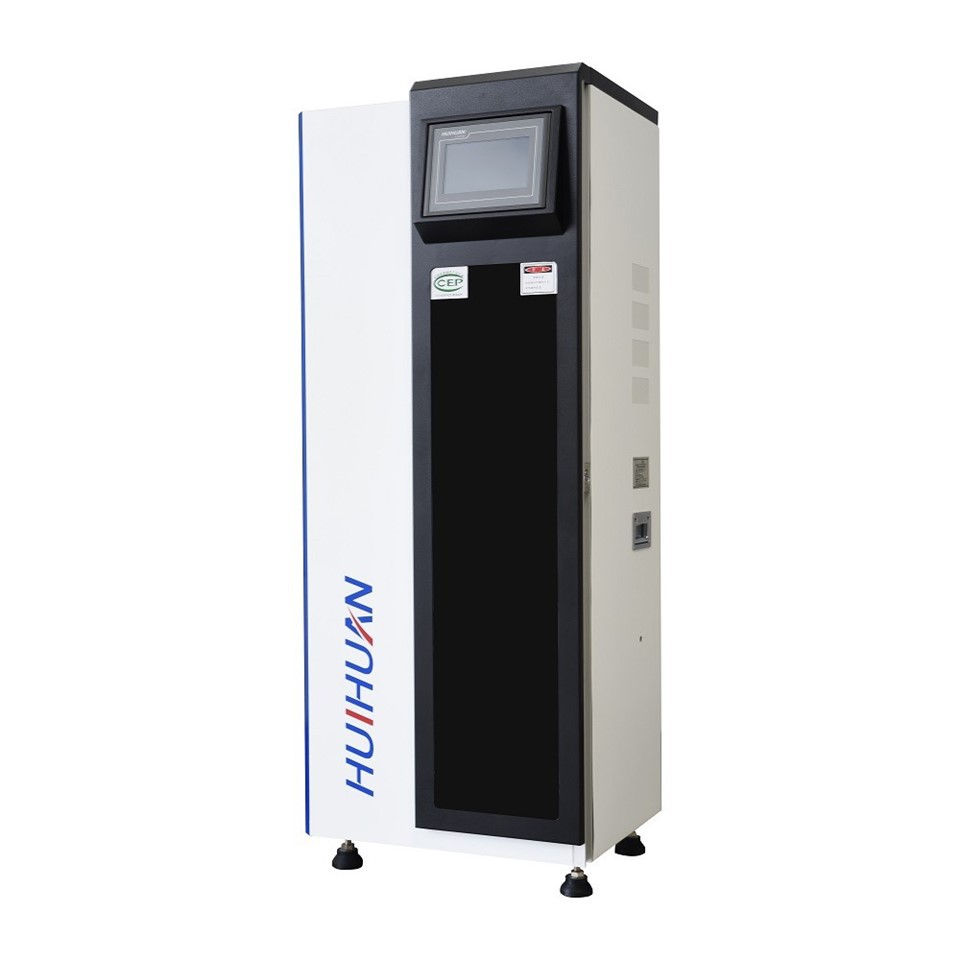
In addition to total nitrogen, multi - parameter water quality analyzers can also measure other important water quality parameters, such as carbon oxygen demand (COD). Our Carbon Oxygen Demand MN Analyzer is a specialized instrument that can accurately measure the COD of water samples. COD is an important indicator of the organic pollution level in water, and it is often measured in conjunction with total nitrogen to assess the overall water quality.
Conclusion
In conclusion, a multi - parameter water quality analyzer can indeed measure the total nitrogen content in water, either indirectly or directly. These analyzers offer several advantages, including efficiency, cost - effectiveness, and convenience. However, proper consideration should be given to potential interferences, calibration, and maintenance to ensure accurate and reliable measurements.

If you are interested in purchasing a multi - parameter water quality analyzer for measuring total nitrogen or other water quality parameters, please feel free to contact us for more information and to discuss your specific requirements. We are committed to providing high - quality water quality analysis equipment and excellent customer service.
References
- APHA, AWWA, WEF. Standard Methods for the Examination of Water and Wastewater. 23rd ed. American Public Health Association, 2017.
- Grasshoff, K., Ehrhardt, M., Kremling, K. Methods of Seawater Analysis. 3rd ed. Wiley - VCH, 2009.
- Stumm, W., Morgan, J. J. Aquatic Chemistry: Chemical Equilibria and Rates in Natural Waters. 3rd ed. Wiley - Interscience, 1996.